




When you plan for Sex in the Great Outdoors, pack only three essentials: protection, a comfort item, and a clean-up supply. These items keep you safe, comfortable, and discreet. For example, you can bring condoms, a blanket, and wipes. Choose a hidden spot, check the weather, and pack light. You avoid stress and enjoy the moment. Preparation makes your adventure easy. Focus on these basics for a worry-free experience every time.
Key Takeaways
- Pack only three essentials: protection, a comfort item, and a clean-up supply. This keeps your experience simple and enjoyable.
- Choose private locations away from crowds. Look for natural cover to ensure discretion and avoid unwanted attention.
- Timing is key. Visit your chosen spot during off-peak hours, like early mornings or late nights, to minimize the chance of being seen.
- Always communicate with your partner about boundaries and comfort levels. Consent is crucial for a positive experience.
- Stay aware of your surroundings. Check for wildlife and weather conditions to ensure safety and comfort during your adventure.
- Use body-friendly wipes and a sealable bag for clean-up. Respect nature by leaving no trace behind after your experience.
- Dress in easy-access clothing and layers. This helps you stay comfortable and adapt to changing outdoor conditions.
- Plan ahead and be flexible. Have a backup location in mind and be ready to adjust if your first choice becomes busy.
Privacy in the Great Outdoors
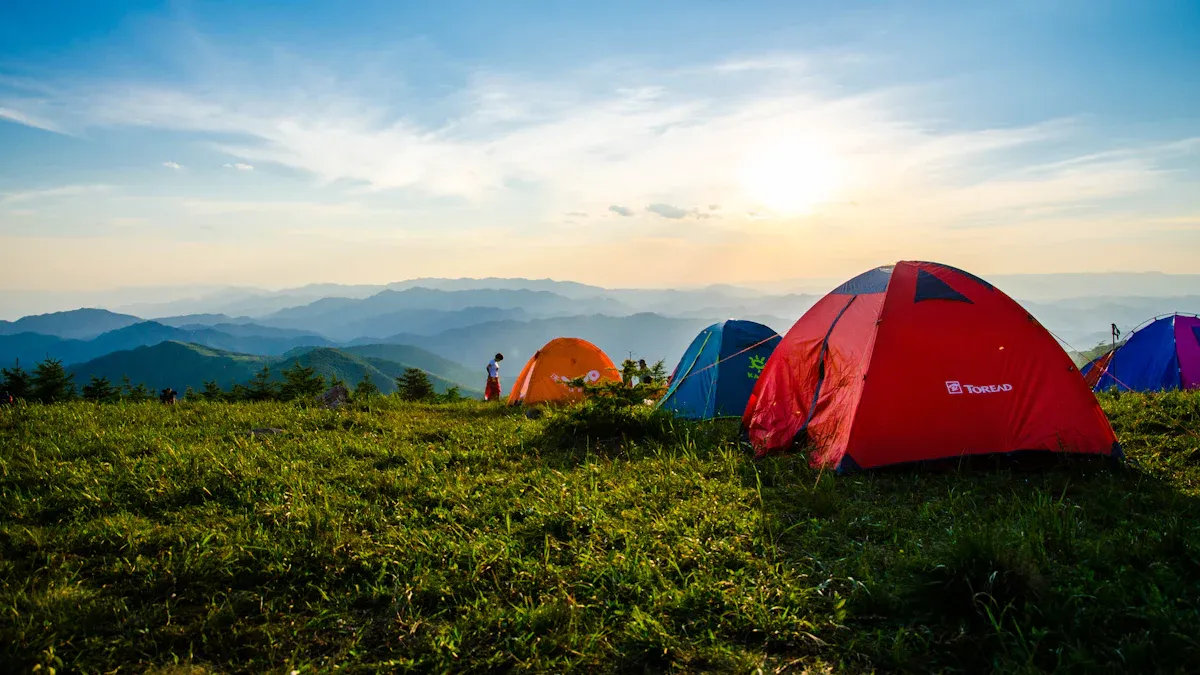
Privacy shapes every decision you make when planning Sex in the Great Outdoors. You want to avoid unwanted attention and legal trouble. This section guides you through finding hidden spots, using discretion, and understanding why privacy matters.
Finding Hidden Spots
Remote Locations
You increase privacy by choosing the right terrain. Many people select places that offer natural cover and fewer visitors. Common choices include:
- Secluded beaches with dunes or rocky outcrops
- Wooded trails deep in forests
- Private backyards or gardens with fences or hedges
- Tents during camping trips, especially in remote campgrounds
- Parked cars at night in quiet areas
- Rooftops or balconies with limited access
- Abandoned or closed public areas
You should avoid most public spaces because of the risk of public indecency. Quiet, remote locations help you stay out of sight and reduce interruptions.
Timing for Privacy
Timing matters as much as location. You can visit your chosen spot late at night or very early in the morning. These off-peak hours mean fewer people and less chance of being seen. Encounters should be short and discreet. You minimize risks by planning your activity when crowds are unlikely.
Tip: Check local event calendars and weather forecasts. Avoid times when parks or beaches host gatherings or family activities.
Discretion Tips
Noise Control
You keep attention away by controlling noise. Speak softly and avoid loud laughter or conversation. Natural sounds like wind or water can help mask your voices. If you use a car, keep windows closed and music low.
Avoiding Crowds
You blend in by wearing clothes that match your surroundings. Loose shorts, skirts, or zip-off pants allow quick access and easy movement. You should:
- Dress in neutral colors to avoid standing out.
- Move quickly to reduce the chance of getting caught.
- Choose easy-access clothing for fast actions.
- Keep noise levels down.
- Avoid getting caught to prevent legal issues.
You also bring essentials like condoms, lubricant, wipes, and a blanket. Bug spray protects you from insects. Layers or blankets help you stay comfortable in changing temperatures.
Privacy Importance
Legal Safety
You face serious consequences if someone catches you in a public act. Laws in many states, such as California Penal Code 647(a) PC, make lewd conduct in public illegal. Public places include parked cars visible to others, shared hallways, and even some outdoor spaces. Legal consequences may include:
- Criminal charges and a permanent record
- Fines, probation, or jail time
- Damage to your reputation
- In severe cases, registration as a sex offender
- Misdemeanor punishable by up to six months in county jail
- Fines up to $1,000
- Conditions like counseling, an AIDS test, and staying away from the location
You protect yourself by choosing private spots and keeping activities discreet.
Respect for Others
You show respect by avoiding areas where families or children gather. You do not want to disturb others or create uncomfortable situations. Responsible choices help everyone enjoy outdoor spaces safely.
Note: Always scout your location ahead of time. Look for signs, cameras, or patrols that could threaten your privacy.
Real-Life Scenario:
Imagine you and your partner plan a romantic evening in a wooded park. You arrive just after sunset, but notice a group setting up for a night hike. You wait in your car until the group leaves, then walk deeper into the woods. You choose a spot behind thick bushes, lay out a blanket, and keep voices low. You finish quickly and use wipes to clean up. On your way out, you see a park ranger. You greet them politely and leave without incident. This scenario shows how timing, location scouting, and discretion help you avoid problems.
You maximize enjoyment and minimize risks by focusing on privacy. Careful planning and respect for others make Sex in the Great Outdoors safe and memorable.
Safety & Protection Essentials
You need to prioritize safety and protection when planning Sex in the Great Outdoors. This section covers the essentials you should pack, how to communicate with your partner, and how to stay aware of your surroundings.
Using Protection
Condoms & Barriers
Health professionals recommend barrier methods for outdoor sexual activities. You should always pack condoms and dental dams. These items help reduce the risk of sexually transmitted infections (STIs) and prevent unwanted pregnancies. Lubrication also plays a key role. It prevents condom breakage and increases comfort, especially in dry or rough outdoor conditions.
Recommended Protection Checklist:
- Condoms
- Dental dams
- Lubricant (water-based for easy clean-up)
- Portable outdoor sex kit (small bag for essentials)
Tip: Regular STI testing helps you maintain sexual health and awareness. You protect yourself and your partner by staying informed.
Consent & Communication
You must discuss boundaries and desires before any outdoor encounter. Clear communication ensures both partners feel safe and respected. You should agree on the location, timing, and comfort level. If either person feels uncomfortable, you need to stop and reassess. Consent is ongoing and can change at any moment.
Note: Always check in with your partner during the experience. A simple question like, “Are you okay?” can make a big difference.
Environmental Safety
Wildlife Awareness
Outdoor spaces bring you closer to nature, but you must stay alert. Mosquitoes, ants, and other insects can disrupt your experience. You should use bug spray and choose locations away from standing water. Watch for signs of wildlife, such as animal tracks or nests. Avoid areas with tall grass or dense bushes, which may hide ticks or snakes.
Weather Considerations
Weather affects your safety and comfort. You face health risks from heat and dehydration, especially in summer. Bacteria thrive in warmer temperatures, increasing the risk of urinary tract infections (UTIs). You should check the forecast before heading out. Pack water, dress in layers, and avoid extreme temperatures.
Common Environmental Risks Table:
| Risk | Prevention Tip |
|---|---|
| Mosquitoes/Insects | Use bug spray, avoid water |
| UTIs | Clean up, urinate after sex |
| Heat/Dehydration | Drink water, avoid midday |
| Bacteria Exposure | Use wipes, choose clean spots |
Callout: You lower your risk by staying hydrated and cleaning up after activity.
Legal Safety
Local Laws
You must understand local laws before engaging in Sex in the Great Outdoors. Many places consider public sexual activity illegal. You risk fines, criminal charges, or even registration as a sex offender. Research the rules for your chosen location. Avoid areas with cameras, patrols, or high visibility.
Leave No Trace
You show respect for nature and others by cleaning up after yourself. Pack out all trash, including wrappers and wipes. Use a small bag for waste. Leave the area as you found it, so others can enjoy it too.
Tip: Carry a sealable bag for used protection and wipes. Dispose of them properly when you return home.
Real-Life Case Study:
You and your partner decide to try Sex in the Great Outdoors during a weekend camping trip. Before leaving, you pack condoms, lubricant, wipes, and a small bag for trash. You discuss boundaries and agree to stop if either feels uncomfortable. At the campsite, you choose a secluded spot away from trails and water sources. You apply bug spray and lay out a blanket. The weather feels warm, so you bring water and dress in light layers. After your experience, you use wipes to clean up and pack all trash in your bag. On your way back, you see a ranger and feel confident because you followed all safety and legal guidelines.
Actionable Advice:
- Always pack protection and clean-up supplies.
- Communicate openly with your partner.
- Check for wildlife and weather risks.
- Research local laws before you go.
- Leave no trace behind.
For more tips and community stories, you can visit r/sex or Planned Parenthood Sexual Health.
You create safer, more enjoyable experiences by focusing on protection, communication, and environmental awareness. Sex in the Great Outdoors becomes memorable when you prepare and respect nature.
Comfort & Cleanliness Outdoors
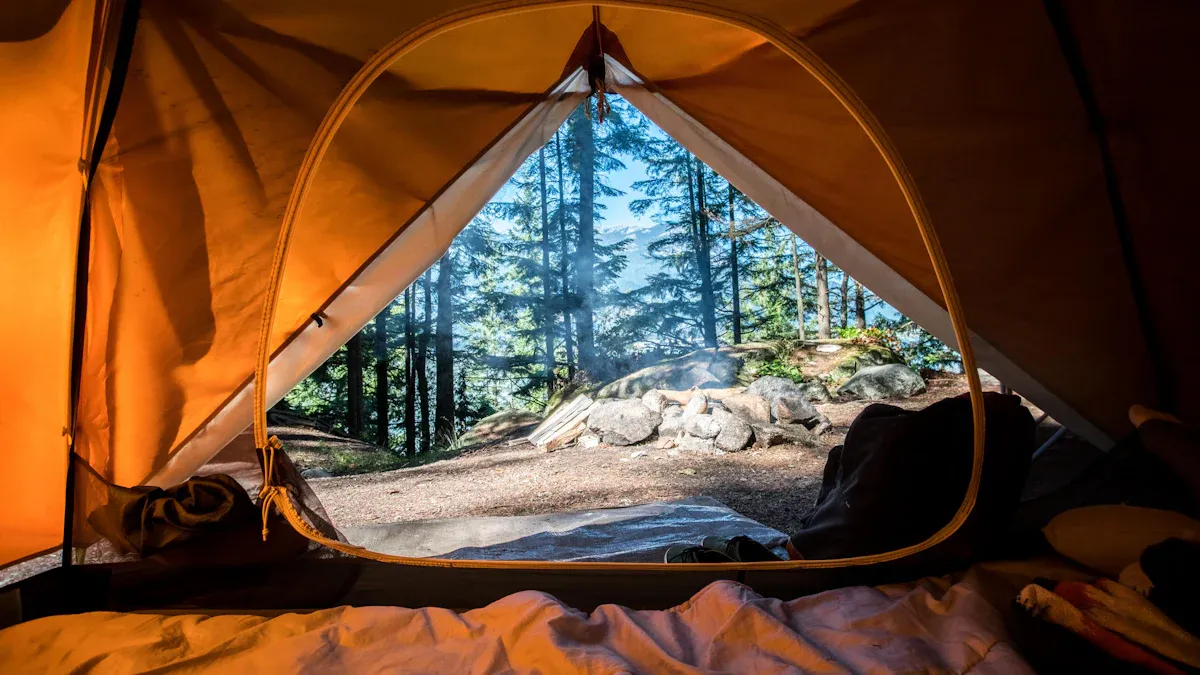
You can make Sex in the Great Outdoors much more enjoyable by focusing on comfort and cleanliness. Simple preparation helps you relax and stay safe, even in the wild.
Comfort Items
Blankets & Mats
A soft surface can transform your outdoor experience. Blankets and mats serve several important purposes:
- They protect you from dirt, insects, and allergens.
- You get a softer, more comfortable place to sit or lie down.
- They help keep your clothes and skin clean.
You can use a picnic blanket, a yoga mat, or even a large towel. Choose something easy to carry and quick to shake off after use.
Positioning Tips
Outdoor terrain is rarely flat or smooth. You can use your blanket or mat to create a level surface. Try placing it on grass, sand, or a flat rock. If you need extra support, fold the blanket for more cushioning. You can also use a rolled-up jacket or backpack as a pillow. Adjust your position to avoid sharp rocks or sticks.
Hygiene Strategies
Wipes & Sanitizers
Cleanliness matters when you are outdoors. You should pack personal hygiene supplies like body-friendly wipes and hand sanitizer. These items help you remove dirt, sweat, and fluids quickly.
| Hygiene Strategy | Description |
|---|---|
| Pack personal hygiene supplies | Bring wipes to clean off dirt and debris. |
| Clean genital areas | Use a warm cloth or wipe after sex. |
| Urinate after sex | Flush out bacteria by urinating after activity. |
| Use condoms | Prevent infections and keep things cleaner. |
| Clean and store sex toys | Wash and pack away any toys you use. |
Clean-Up Tips
Quick and effective clean-up keeps you comfortable and healthy. You can use towels for regular cleanup. Mattress protector pads work well for smaller areas and are easy to wash. Baby wipes or after-sex sponges help you feel fresh. Always pack a small, sealable bag for used wipes and other waste.
Tip: Urinate after sex to help prevent urinary tract infections. Clean and store any used items before you leave.
Clothing & Weather
Easy-Access Clothing
Choose clothing that makes undressing simple. Loose shorts, skirts, or pants with zippers allow you to move quickly and discreetly. Neutral colors help you blend in with your surroundings. You stay comfortable and avoid drawing attention.
Temperature Control
Outdoor temperatures can change fast. Dress in layers so you can adjust as needed. Bring a light jacket or extra blanket for cooler weather. In hot weather, choose breathable fabrics to stay cool. Always check the forecast before you go.
Note: Staying dry and warm helps prevent discomfort and keeps your experience positive.
Real-Life Example:
You and your partner plan a picnic in a quiet park. You bring a large blanket, body wipes, and a small bag for trash. After finding a private spot, you lay out the blanket and use it for comfort and protection. You both wear loose clothing for easy movement. After your intimate moment, you use wipes to clean up and pack all waste in your bag. You leave the area as you found it, feeling refreshed and confident.
You can enjoy Sex in the Great Outdoors by planning for comfort and cleanliness. Simple items and smart choices make every adventure safer and more enjoyable.
Sex in the Great Outdoors: Quick Tips
Planning and flexibility help you enjoy Sex in the Great Outdoors while staying safe and comfortable. Use these quick tips to maximize your experience and reduce risks.
Planning Ahead
Packing Smart
You set yourself up for success by packing only what you need. Bring protection, a comfort item, and a clean-up supply. Choose items that fit easily in a small bag or backpack. Always check the weather and dress in layers. Carry water to stay hydrated. Select clothing that allows for quick changes and easy movement.
Here are some effective planning strategies:
- Choose the right time. Early mornings, late nights, or off-season days help you avoid crowds.
- Use natural cover. Large rocks, bushes, or parked cars provide concealment. Pick a spot where you can see anyone approaching.
- Keep it quiet. Whisper and move gently to avoid drawing attention.
- Have a quick exit plan. Park nearby or know the fastest route back to safety.
Tip: A small flashlight or headlamp helps you find your way in low light without attracting attention.
Emergency Prep
You prepare for the unexpected by thinking ahead. Carry a basic first aid kit with bandages and antiseptic wipes. Know the location of the nearest restroom or exit. Share your plans with someone you trust if you go to a remote area. Keep your phone charged and within reach.
| How Advance Planning Reduces Risks | Source Links |
|---|---|
| Goal-setting and planning lower risky situations | 59, 70, 76–77 |
| Identifying triggers and anticipating future risks | 57, 64–65, 67 |
| Self-management skills help avoid risky situations | 58, 61, 67, 77 |
| Setting goals and considering consequences improves decision-making | 58, 64 |
| Addressing future consequences of risky behavior | 65 |
| Using concrete examples makes planning easier | 59 |
Staying Flexible
Adapting to Conditions
Outdoor conditions can change quickly. You may face unexpected weather, more people than expected, or wildlife. Stay alert and ready to adjust your plans. If your chosen spot becomes busy, move to another location. If it starts to rain, use your blanket as a cover or wait for better weather.
- Legal awareness helps you avoid fines. Know the rules for your area.
- Hygiene matters. Use a blanket and wipes to stay clean.
- Timing is key. Dusk or dawn offers more privacy.
- Always use protection. Carry condoms and lubricant.
- Bug defense keeps you comfortable. Avoid grassy areas to reduce bites.
- Flexible positions, like spooning behind a tree, help you stay discreet and comfortable.
Note: Flexibility keeps your experience positive, even when things do not go as planned.
Backup Plans
Always have a backup plan. If your first location is not private, have a second spot in mind. If you forget an item, improvise with what you have. Stay calm and communicate with your partner. Quick thinking and teamwork help you handle surprises.
Real-Life Scenario:
You and your partner plan a late-night adventure at a quiet lakeside park. You pack condoms, a blanket, wipes, and water. When you arrive, you see a group of people nearby. You quietly move to a more secluded area behind some large rocks. You keep your voices low and watch for anyone approaching. Afterward, you use wipes to clean up and pack all trash. When rain starts, you use your blanket for cover and head back to your car. Your planning and flexibility help you enjoy the moment safely and comfortably.
For more tips and community stories, visit r/sex or Planned Parenthood Sexual Health.
Why Three Essentials Are Enough
Choosing only three essentials for Sex in the Great Outdoors helps you focus on what truly matters. You avoid unnecessary stress and create a more enjoyable experience by keeping things simple.
Simplicity Benefits
Avoid Overpacking
Packing light means you carry less weight and spend less time searching for items. You do not need to bring a full backpack of supplies. Instead, you can use storage solutions like clear bins or small gear bags to keep your essentials organized. When you group similar items together, you streamline your setup and make it easier to find what you need. A clean, clutter-free space helps you relax and enjoy the moment.
- You move quickly and quietly with fewer items.
- You reduce the risk of forgetting important things.
- You keep your gear organized, which lowers stress.
- You maintain a clean area, making the experience more comfortable.
Keeping your essentials simple lets you focus on your partner and the adventure, not on managing gear.
Focus on Experience
When you pack only the basics, you give your attention to your partner and the environment. You do not waste time setting up or cleaning up extra items. This approach helps you stay present and enjoy every moment. You also avoid drawing attention to yourself with bulky bags or noisy equipment.
A simple setup encourages you to:
- Be spontaneous and flexible.
- Adapt to changing conditions.
- Enjoy the natural setting without distractions.
Essentials Cover All Needs
Safety, Comfort, Privacy
The three essentials—protection, a comfort item, and a clean-up supply—cover every important aspect of outdoor intimacy. You stay safe, comfortable, and discreet with just these items.
| Essential | What It Covers | Why It Matters |
|---|---|---|
| Protection | Health and legal safety | Prevents infections and legal issues |
| Comfort Item | Physical comfort, positioning | Makes the experience enjoyable |
| Clean-Up Supply | Hygiene and respect | Leaves no trace, keeps you healthy |
You protect your health by using condoms or barriers. A blanket or mat gives you comfort and shields you from rough ground. Wipes or a small trash bag help you clean up and respect the environment.
You do not need a long checklist. These three essentials meet all your needs for safety, comfort, and privacy.
Real-Life Case:
A couple planned a hike in a quiet forest. They packed only three things: condoms, a small blanket, and a pack of wipes. They found a secluded spot, used the blanket for comfort, and kept their supplies in a small bag. Afterward, they cleaned up with wipes and packed out all trash. They enjoyed the experience without stress or worry. Their simple approach let them focus on each other and the beauty of nature.
For more tips on outdoor intimacy, you can visit Planned Parenthood Sexual Health or join discussions at r/sex.
You can make Sex in the Great Outdoors safe, comfortable, and memorable by sticking to the three essentials. Simplicity gives you freedom and peace of mind.
Common Outdoor Sex Mistakes
Outdoor intimacy can be exciting, but you may face common mistakes that can ruin the experience. Learning about these pitfalls helps you stay safe, comfortable, and discreet.
Privacy Oversights
Public Exposure Risks
You risk public exposure if you do not choose your location carefully. Many people forget that parks, beaches, and trails often have hidden cameras or unexpected visitors. Getting caught can lead to embarrassment, fines, or even legal trouble. Always check your surroundings before you start. Look for signs of recent activity, such as footprints or litter. Avoid places near family areas or popular paths.
Tip: If you see dog walkers, joggers, or parked cars nearby, move to a more secluded spot.
Not Scouting Locations
You may think a spot looks private, but without scouting, you could face surprises. Some couples skip this step and end up interrupted by hikers or rangers. Take a few minutes to walk around and check for hidden trails or blind spots. This simple step helps you avoid awkward encounters and keeps your experience stress-free.
Forgetting Protection
Health Risks
Forgetting condoms or barriers puts your health at risk. Outdoor sex can expose you to bacteria, insects, and other hazards. Always carry protection, even if you do not plan to use it. You never know when the mood will strike. Using condoms reduces the risk of sexually transmitted infections (STIs) and keeps things cleaner.
Consent Issues
You must talk with your partner about boundaries and comfort before heading outdoors. Skipping this conversation can lead to misunderstandings or discomfort. Always check in with your partner, especially if the environment changes or you feel uneasy. Clear communication builds trust and ensures a positive experience.
Neglecting Comfort
Unpleasant Surprises
Many people underestimate how uncomfortable outdoor sex can be without planning. You might face hard ground, bugs, or sudden weather changes. Some of the most frequent comfort mistakes include:
- Forgetting to bring a blanket or mat, which leads to dirt and discomfort.
- Ignoring the need for bug spray, resulting in bites or rashes.
- Not checking for ticks after spending time in grassy or wooded areas.
- Overlooking the risk of injuries from rocks, sticks, or uneven ground.
Planning your encounter and staying aware of your surroundings can prevent most of these issues.
Lack of Clean-Up Supplies
You may enjoy the moment but regret it later if you forget wipes or a small trash bag. Clean-up supplies help you stay fresh and respect the environment. Leaving behind wrappers or tissues is not only disrespectful but can also attract animals.
Quick Checklist for Comfort and Safety:
- Blanket or mat for comfort
- Condoms and lubricant
- Bug spray and tick check
- Wipes and sealable trash bag
| Mistake | How to Avoid It |
|---|---|
| No privacy | Scout location, avoid crowds |
| No protection | Always carry condoms/barriers |
| No comfort items | Bring blanket, bug spray |
| No clean-up supplies | Pack wipes, trash bag |
Real-Life Example:
You and your partner decide to try something new at a local park. You forget to scout the area and skip bringing a blanket. Halfway through, you notice ants crawling on your legs and hear voices nearby. You scramble to get dressed and leave quickly, feeling embarrassed and uncomfortable. Next time, you pack a blanket, bug spray, and wipes. You choose a better spot and enjoy the experience without stress.
For more tips on safe and enjoyable outdoor intimacy, visit Planned Parenthood Sexual Health or join discussions at r/sex.
By learning from these common mistakes, you can make your outdoor adventures safer, cleaner, and much more enjoyable.
Real-Life Scenarios & Solutions
Couples’ Experiences
Success Stories
Many couples find that outdoor intimacy brings them closer. You might feel a new sense of excitement and connection. For example, one couple shared their story on a popular online forum. They planned a hike in a quiet forest. They packed only three essentials: condoms, a blanket, and wipes. They found a secluded spot, checked for wildlife, and enjoyed their time together. Afterward, they cleaned up and left no trace. Their experience felt safe, private, and memorable.
“We kept it simple and focused on each other. The fresh air and new setting made everything more exciting.”
— Shared on r/sex
Lessons Learned
Not every outdoor adventure goes as planned. You may face unexpected challenges. One couple forgot to check the weather before heading out. Rain started halfway through their experience. They learned to always check the forecast and pack a waterproof blanket. Another pair realized they had chosen a spot too close to a popular trail. They heard voices nearby and had to move quickly. They now scout locations more carefully.
Key lessons:
- Always check the weather.
- Scout your spot before starting.
- Pack only what you need.
- Communicate with your partner.
Problem-Solving
Handling Interruptions
Interruptions can happen at any time. You might hear footsteps or see someone approaching. Stay calm and have a plan. Quickly cover up with your blanket or clothing. Move away from the area if needed. Keep your essentials packed and easy to grab. Practice quick clean-up so you can leave no trace behind.
Quick Tips Table:
| Problem | Solution |
|---|---|
| Unexpected people | Stay calm, cover up, relocate |
| Wildlife nearby | Wait, observe, move if needed |
| Noise alerts | Lower voices, pause activity |
Tip: Always have a backup spot in mind. This helps you adapt if your first choice becomes busy.
Weather Challenges
Weather can change fast outdoors. You may face rain, wind, or sudden cold. Always check the forecast before you go. Pack layers and a waterproof blanket. If the weather turns bad, wait it out or head back to your car. Avoid risky situations like thunderstorms or extreme heat.
Checklist for Weather Prep:
- Check the forecast before leaving.
- Bring extra clothing or a rain jacket.
- Use a waterproof mat or blanket.
- Have a quick exit plan.
You can find more advice and real stories on Planned Parenthood Sexual Health and r/sex. By learning from others and preparing for challenges, you make your outdoor experiences safer and more enjoyable.
You only need three essentials for safe and enjoyable sex in the great outdoors: protection, a comfort item, and a clean-up supply. These basics help you stay healthy, comfortable, and discreet. For example, a couple who packed only condoms, a blanket, and wipes enjoyed their adventure without stress or mess.
| Essential | Purpose |
|---|---|
| Protection | Health & safety |
| Comfort item | Relaxation |
| Clean-up supply | Hygiene |
Focus on privacy, safety, and comfort. Keep it simple, respect nature, and enjoy every moment. For more tips, visit Planned Parenthood or join discussions at r/sex.
FAQ
What should you do if someone approaches while you are outdoors?
Stay calm and cover up quickly. Use your blanket or clothing to get dressed. Move away from the area without drawing attention. Always have an exit plan before you start.
How can you keep your experience discreet and private?
Scout your location ahead of time. Choose spots with natural cover. Visit during off-peak hours. Wear neutral clothing and keep noise low. Always check for people nearby before starting.
What is the best way to clean up after outdoor sex?
Use body-friendly wipes to clean yourself and your partner. Pack a sealable bag for used wipes and trash. Take all waste with you. Leave the area as you found it.
How do you protect yourself from bugs and wildlife?
Apply bug spray before you begin. Avoid areas with tall grass or standing water. Check for ticks after you finish. Stay alert for signs of animals and move if you see any.
Is outdoor sex legal everywhere?
No, most public places have laws against sexual activity. Research local rules before you go. Choose private, secluded spots to reduce legal risks. Respect signs and avoid areas with cameras.
What should you pack for comfort and safety?
Bring three essentials: protection (condoms), a comfort item (blanket or mat), and a clean-up supply (wipes). Add bug spray and water for extra comfort. Keep your bag small and organized.
How do you talk to your partner about boundaries outdoors?
Discuss your comfort levels before you go. Agree on signals to stop or pause. Check in with each other during the experience. Respect your partner’s wishes at all times.
What if the weather changes suddenly?
Check the forecast before you leave. Bring layers or a waterproof blanket. If the weather turns bad, pack up quickly and find shelter. Always have a backup plan for unexpected changes.