



You can make intercrural sex much more enjoyable and comfortable by using lubrication. Intercrural sex involves thrusting between your partner’s thighs without penetration. Many couples choose this activity because it creates a sense of intimacy and offers external stimulation. Sexual health studies show that intercrural sex carries a lower risk of infection, especially for those living with HIV, since there is no anal or vaginal penetration. Lubrication helps reduce friction, boost pleasure, and keep you safe during the experience.
Key Takeaways
- Lubrication enhances comfort and pleasure during intercrural sex by reducing friction.
- Using the right amount of lubricant is key; start small and add more as needed.
- Water-based lubricants are easy to clean and safe with condoms, while silicone-based options last longer.
- Always check for allergies before trying a new lubricant to avoid irritation.
- Involve your partner in applying lubricant to enhance intimacy and communication.
- Keep lubricant within reach during the activity for quick reapplication if needed.
- Practice good hygiene after intercrural sex to prevent infections and irritation.
- Open communication about lubrication preferences can improve comfort and strengthen your relationship.
Intercrural Sex and Lubrication Benefits
Comfort and Pleasure
You can transform your experience with intercrural sex by using the right lubrication. When you apply lube, you create a smooth and slippery sensation that feels gentle against your skin. This comfort allows you and your partner to relax and focus on pleasure rather than worrying about discomfort. Many people notice that lubrication helps them enjoy longer sessions without irritation.
- Lubrication provides a slippery glide, making movements feel more natural.
- You avoid the rough feeling that can come from dry skin contact.
- Silicone or oil-based lubricants often prevent rashes and keep your skin soft.
Tip: Try warming the lubricant in your hands before applying. This small step can make the sensation even more enjoyable.
Case Example:
Imagine you and your partner decide to try intercrural sex for the first time. You use a water-based lubricant and notice how easily your bodies move together. Both of you feel comfortable, and the experience becomes more intimate because you can focus on each other rather than any discomfort.
Friction Reduction
Friction can quickly turn a pleasurable moment into an uncomfortable one. Lubrication plays a key role in reducing friction during intercrural sex. Scientific studies on frottage, a similar activity, show that lube enhances sensation and minimizes skin irritation.
- Lubrication reduces the risk of chafing and redness.
- You experience smoother movement, which increases pleasure.
- Less friction means you can enjoy the activity for longer periods.
| With Lubrication | Without Lubrication |
|---|---|
| Smooth movement | Increased friction |
| Less irritation | Possible redness |
| Enhanced pleasure | Discomfort |
Case Example:
You notice that without lubrication, your thighs and your partner’s skin start to feel sore after a few minutes. When you add a silicone-based lube, the discomfort disappears, and both of you can continue enjoying intercrural sex without worrying about irritation.
Safety Aspects
Safety matters in every sexual activity. Intercrural sex already offers a lower risk of infection because it does not involve penetration. Lubrication adds another layer of protection by keeping your skin healthy and preventing microtears that can occur with dry friction.
- Lubrication helps prevent skin damage and rashes.
- You lower the chance of irritation, which can lead to infection.
- Both partners feel safer and more confident during the experience.
Note: Always check for allergies before using a new lubricant. Test a small amount on your skin to avoid reactions.
Case Example:
You and your partner want to keep your sexual activities safe. By choosing a hypoallergenic lubricant, you reduce the risk of skin problems and make intercrural sex a worry-free experience. Both of you feel reassured knowing you have taken steps to protect your health.
Choosing Lubricant for Intercrural Sex
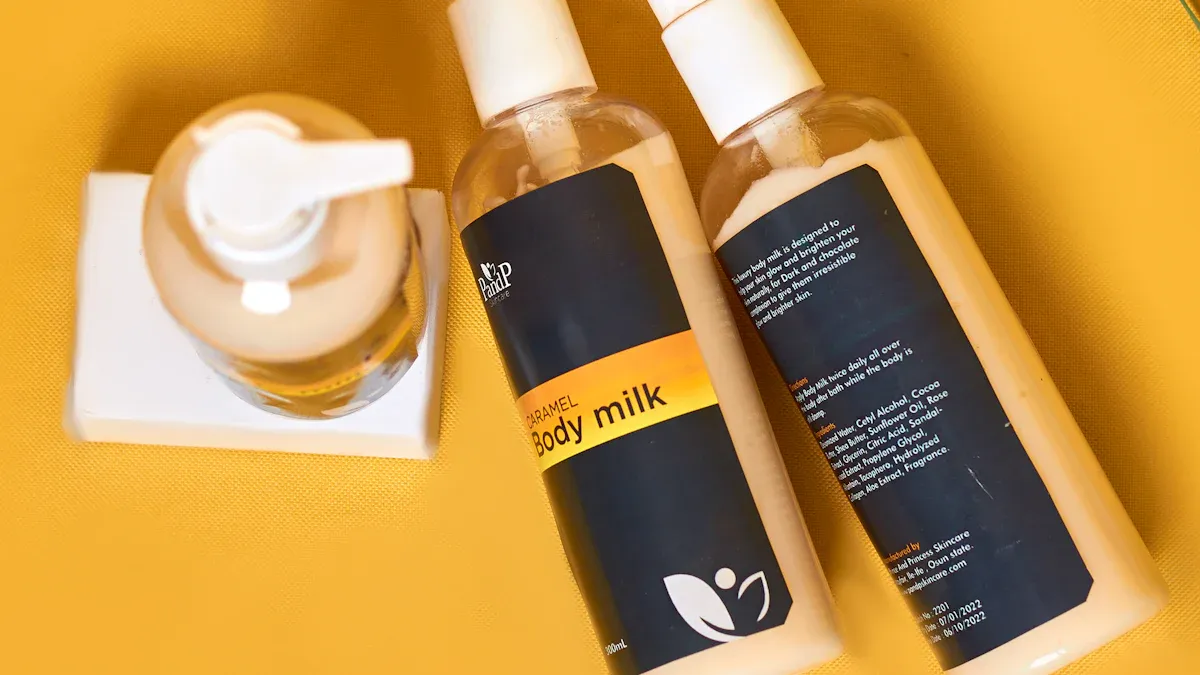
Water-Based Options
Water-based lubricants offer a versatile and user-friendly choice for intercrural sex. You can find these lubricants easily at most stores, and they work well with condoms and sex toys. Many sexual health professionals recommend water-based options because they contain safe ingredients and rarely cause irritation. You can clean them off quickly with water, which makes post-activity cleanup simple.
| Advantages | Disadvantages |
|---|---|
| Safe ingredients that do not irritate | Can dry out quicker than oil-based or silicone lubes |
| Compatible with condoms and sex toys | May require reapplication during longer sessions |
| Easy to clean and non-staining | Potential issues with irritating additives |
| Comfortable glide resembling natural lubrication | Avoidance of synthetic fragrances is recommended |
If you want a lubricant that feels close to your body’s natural moisture, water-based options provide a comfortable glide. You may need to reapply during longer sessions, especially if you notice the sensation becoming less smooth. Some formulas contain synthetic fragrances or additives, so you should check the label and choose products with minimal ingredients.
Tip: For longer intercrural sex sessions, keep a small bottle of water-based lube nearby. You can add more as needed to maintain comfort.
Case Example:
You and your partner decide to try intercrural sex using a water-based lubricant. After a few minutes, you notice the glide starts to fade. You pause, add a little more lube, and continue. The experience stays comfortable, and cleanup afterward takes only a few moments with a damp towel.
Silicone-Based Options
Silicone-based lubricants stand out for their durability and smooth texture. You can use them for extended intercrural sex sessions without worrying about the lubricant drying out. Many people prefer silicone-based options because they rarely cause irritation and provide a slick, thick sensation that feels soothing against the skin.
Silicone lubricants do not absorb or evaporate quickly, so you do not need to reapply as often as you would with water-based lubes. This makes them ideal for longer activities. You may notice that silicone creates a barrier, which can make the experience feel less intimate compared to water-based options. However, the long-lasting glide helps prevent chafing and discomfort.
Note: Avoid using silicone-based lubricants with silicone sex toys, as they can damage the material.
Case Example:
You want to enjoy a longer intercrural sex session without interruptions. You choose a silicone-based lubricant and apply it generously. The sensation remains smooth throughout, and you do not need to stop to add more. Both you and your partner feel relaxed and comfortable, focusing on pleasure instead of friction.
Oil-Based Options
Oil-based lubricants provide a long-lasting slippery effect, which can be appealing for intercrural sex. You might consider natural oils, such as unrefined coconut oil, if you do not use latex condoms. These oils offer a smooth glide and can feel nourishing on the skin.
However, oil-based lubricants come with important risks. They can cause irritation to the genital area and disrupt the natural microbiota, increasing the risk of infections. Petroleum jelly and baby oil have links to higher rates of bacterial vaginosis and vaginal candidiasis. Oil-based lubes also weaken latex condoms, which can lead to breakage and increase the risk of unintended pregnancies and sexually transmitted infections. Cleaning up oil-based lubricants can be difficult, and they may stain fabrics.
- Oil-based lubricants can cause irritation and disrupt genital microbiota.
- Petroleum jelly and baby oil increase infection risks.
- They weaken latex condoms, raising the chance of breakage.
- Oil-based lubes can stain sheets and clothing.
- Natural oils like coconut oil are safer if you avoid latex condoms.
Tip: If you choose an oil-based lubricant, use unrefined coconut oil and avoid latex condoms. Always wash thoroughly after use to reduce infection risk.
Case Example:
You try intercrural sex with coconut oil as a lubricant. The glide feels smooth and lasts a long time. You do not use latex condoms, so you avoid the risk of breakage. Afterward, you spend extra time cleaning your skin and sheets to prevent irritation and stains.
Specialty Lubes
Specialty lubricants offer unique features that can enhance your experience with intercrural sex. You might want to explore these options if you seek something beyond standard water-based, silicone-based, or oil-based products. Specialty lubes often include formulas designed for heightened sensitivity, longer-lasting glide, or added sensations like warming or cooling.
You can find specialty lubricants that focus on specific needs. Some formulas aim to increase pleasure and intimacy, while others provide extra relaxation or a smoother texture for sensitive skin. These products often contain ingredients that target comfort or sensation, making them ideal for couples who want to experiment or address particular concerns.
| Specialty Lubricants | Unique Features |
|---|---|
| Pjur Woman | Formulated to enhance pleasure and intimacy |
| Pjur Back Door | Designed for anal play, providing a smooth and relaxing experience |
You may notice that some specialty lubes are marketed for anal play. These often contain relaxing agents or thicker bases, which can help reduce friction and increase comfort during intercrural sex. Others focus on enhancing sensation, using ingredients that create a warming or tingling effect. Always check the ingredient list to ensure compatibility with your skin and avoid potential irritants.
Tip: Test a small amount of any specialty lube on your inner thigh before a full session. This helps you avoid unexpected irritation or allergic reactions.
Case Example:
You and your partner want to try something new during intercrural sex. You choose a specialty lubricant with a warming effect. You apply a small amount to your thighs and notice a gentle heat that adds excitement to the experience. Both of you enjoy the new sensation, and the thicker texture helps prevent dryness. Afterward, you clean up easily with a damp cloth, and your skin feels soft and comfortable.
Specialty lubes can transform your routine by offering tailored sensations and improved comfort. You can experiment with different types to discover what works best for you and your partner. Always prioritize safety by reading labels and performing patch tests. Specialty lubricants give you more control over your experience and can make intercrural sex more enjoyable and memorable.
Applying Lubrication
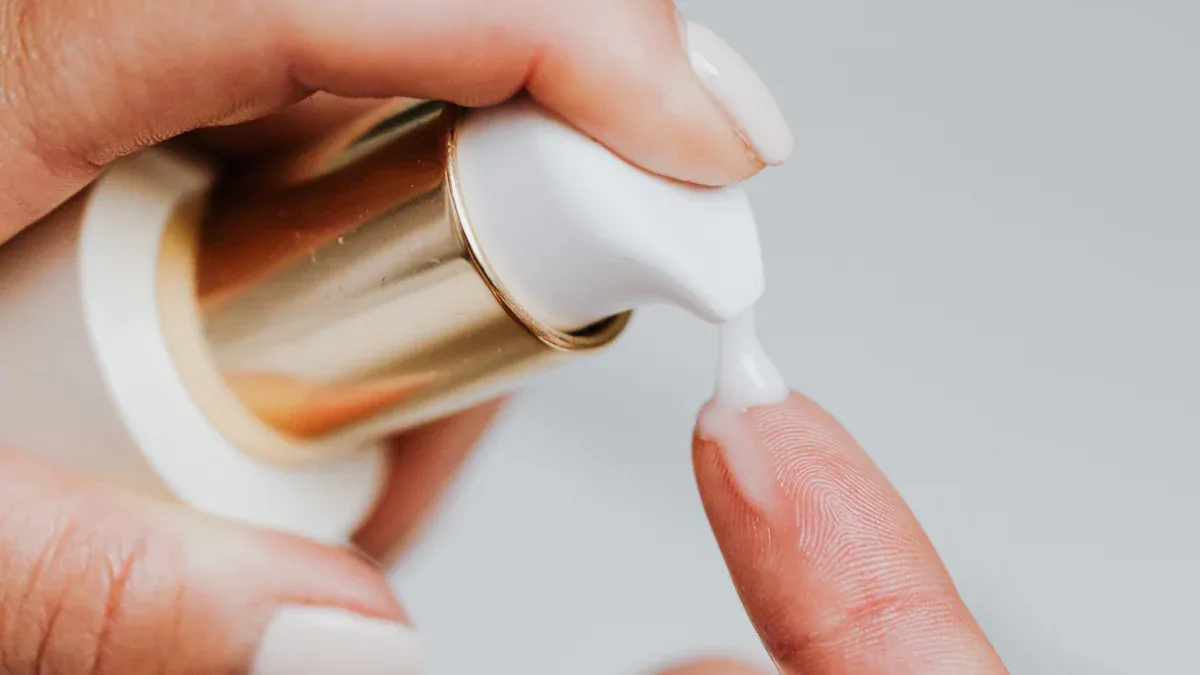
Amount to Use
You want to use enough lubricant to create a smooth, slippery surface, but not so much that it becomes difficult to control. Start with a quarter-sized amount in your palm. This usually provides a good base for most people. If you notice any dryness or friction during the activity, add more as needed. The right amount depends on your skin type, the type of lubricant, and how long you plan to engage in intercrural sex.
- Begin with a small amount and increase gradually.
- If you feel any resistance or discomfort, pause and apply more.
- Keep the lubricant bottle within reach for easy reapplication.
Tip: It is easier to add more lubricant than to remove excess. Start small and build up to your comfort level.
Case Example:
You and your partner prepare for intercrural sex. You squeeze a quarter-sized amount of water-based lubricant into your hand and apply it to your thighs and your partner’s penis. After a few minutes, you notice a slight drag. You add a bit more lube, and the sensation becomes smooth again. This approach helps you avoid mess and ensures comfort throughout the session.
Where to Apply
Proper placement of lubricant makes a big difference in comfort and pleasure. Focus on the areas where skin-to-skin contact will occur. For intercrural sex, this usually means the inner thighs and the shaft of the penis. You can also apply a thin layer to the outer thighs if you want extra glide.
- Apply lubricant to both inner thighs.
- Coat the shaft of the penis generously.
- Add a small amount to the outer thighs if desired.
| Area | Why Apply Lubricant Here? |
|---|---|
| Inner thighs | Reduces friction and prevents chafing |
| Penis shaft | Ensures smooth movement |
| Outer thighs | Adds extra glide for wider contact |
Note: Avoid getting lubricant on areas where you do not want extra slipperiness, such as hands or surfaces you need to grip.
Case Example:
You apply lubricant to your inner thighs and your partner’s penis. As you begin, you notice the movement feels effortless. Later, you decide to add a bit to your outer thighs for a wider range of motion. This adjustment increases comfort and allows you to try new positions without discomfort.
Even Coverage Techniques
Achieving even coverage is essential for a pleasurable and safe experience. The slippery nature of the lubricant helps distribute it smoothly, which is a key part of techniques like ‘Matsuba Kuzushi.’ This approach ensures that every area involved in contact receives enough lubrication, reducing the risk of irritation and maximizing comfort.
Hands vs. Direct Application
You can use your hands to spread the lubricant evenly, or you can apply it directly from the bottle to the skin. Using your hands gives you more control and helps you feel for any dry spots. Direct application works well if you want to avoid getting lubricant on your hands or if you need to reapply quickly.
- Hands: Warm the lubricant in your palms before spreading. This method allows you to massage it into the skin and check for even coverage.
- Direct Application: Squeeze or pour the lubricant directly onto the area, then use gentle movements to spread it out.
| Method | Pros | Cons |
|---|---|---|
| Hands | More control, checks for dry spots | Can get messy |
| Direct Application | Quick, less contact with hands | May not spread as evenly |
Tip: Combine both methods for best results. Start with your hands for initial coverage, then use direct application for touch-ups.
Case Example:
You start by warming the lubricant in your hands and massaging it onto your thighs and your partner’s penis. After a few minutes, you notice a dry patch. You apply a small amount directly to that area and smooth it out with your fingers. This combination keeps everything comfortable and prevents irritation.
Partner Involvement
Involving your partner in the application process can make the experience more intimate and enjoyable. You can take turns applying lubricant to each other, which builds trust and helps you communicate about comfort levels. Partner involvement also ensures that both of you feel ready and relaxed before starting.
- Ask your partner to apply lubricant to your thighs while you do the same for them.
- Use this time to check in about pressure, temperature, and sensation.
- Treat the application as part of foreplay to enhance connection.
Callout: Communication during lubricant application helps you avoid discomfort and creates a more pleasurable experience for both partners.
Case Example:
You invite your partner to apply lubricant to your thighs while you handle their penis. You both laugh and talk about what feels good. This shared moment helps you relax and sets a positive tone for the rest of the activity. You both feel more connected and confident, knowing you have prepared together.
By focusing on the right amount, proper placement, and even coverage, you set the stage for a comfortable and enjoyable intercrural sex experience. These steps help you avoid common issues like dryness, irritation, and mess, making the activity safer and more pleasurable for both partners.
Enhancing the Experience
Maintaining Lubrication
You want to keep the experience smooth and comfortable from start to finish. Lubrication can dry out over time, especially during longer sessions. You can use several methods to maintain moisture and prevent friction. The table below shows some effective ways to keep lubrication working for you:
| Method | Description |
|---|---|
| Topical Lubricants | Try different lubricants to find one that feels best and keeps skin moist. |
| Massage and Vibration | Use gentle massage or a vibrator to boost blood flow and natural moisture. |
| Self-Massage | Apply lubricant directly to the thighs or genitals for extra comfort. |
| Accessibility | Keep lubricant within easy reach so you can reapply quickly if needed. |
| Pre-Lubrication | Apply a silicone-based lubricant before starting for longer-lasting glide. |
You might notice the sensation changing as you go. If you feel any dryness or resistance, pause and add more lubricant. For example, you and your partner may start with a water-based lube but switch to a silicone-based one if you want a longer session. Keeping the bottle nearby helps you stay in the moment without interruption.
Preventing Mess
Lubricant can make things slippery, but you can take steps to keep your space clean. Start by choosing the right type of lubricant for your needs. Water-based lubes usually clean up easily, while oil-based ones may stain fabrics. Begin with a small amount to avoid excess mess and overwhelming sensations. Apply the gel slowly and only add more if you need it.
- Choose the right type of lubricating gel for easy cleanup.
- Start with a small amount to control the mess.
- Apply the gel carefully to avoid spills.
You can place a towel or cloth under you to catch any drips. Keep tissues or wipes close by for quick cleanups. For example, you might lay a soft towel on the bed before starting. If any lubricant gets on your hands or sheets, you can wipe it away quickly. This preparation helps you focus on pleasure instead of worrying about stains.
Boosting Sensation
You can enhance the experience by exploring new ways to increase sensation. Try changing the temperature of the lubricant by warming it in your hands or using a warming formula. Experiment with different pressures and movements to find what feels best. You might use massage or gentle vibration to stimulate the skin and heighten pleasure.
Some couples enjoy adding a cooling or tingling lubricant for extra excitement. You can also try new positions or angles to discover different sensations. For example, you and your partner might switch from a side-by-side position to a face-to-face one. This change can create new points of contact and increase intimacy.
Tip: Communicate with your partner about what feels good. Small adjustments can make a big difference in comfort and pleasure.
By maintaining lubrication, preventing mess, and boosting sensation, you create a more enjoyable and memorable intercrural sex experience. These practical steps help you stay comfortable, connected, and focused on each other.
Communication Tips
Open and honest communication with your partner can make intercrural sex more enjoyable and comfortable. When you talk about lubrication, you set the stage for a positive experience. Many people feel nervous about bringing up sexual preferences, but clear communication helps both of you feel respected and understood.
You can use these strategies to discuss lubrication preferences before intercrural sex:
- Choose the Right Moment: Start the conversation in a relaxed setting, not during intimate moments. This approach helps both of you feel less pressure and more open to sharing.
- Frame it as a Way to Enhance Pleasure: Present lubricants as a fun addition to your experience. You can say, “I read that using lube can make things feel even better. Would you like to try it together?”
- Address Any Concerns Head-On: Reassure your partner that using lubricants is about comfort and pleasure, not about fixing a problem. You might say, “I want us both to feel good and avoid any discomfort.”
Tip: Use “I” statements to express your feelings. For example, “I feel more comfortable when we use lube,” instead of “You need to use lube.”
Discussing lubrication can lead to several benefits:
- Enhanced comfort and pleasure for both partners.
- Opportunities to explore new sensations and types of lubricants.
- Stronger communication and deeper intimacy in your relationship.
| Communication Step | Why It Matters |
|---|---|
| Choose a relaxed moment | Reduces pressure and encourages openness |
| Focus on pleasure | Makes the conversation positive and inviting |
| Address concerns directly | Builds trust and removes misunderstandings |
| Use “I” statements | Keeps the discussion personal and non-blaming |
Case Example:
You want to try intercrural sex with your partner but feel unsure how to bring up using lubricant. One evening, while watching TV together, you mention an article you read about how lube can make thigh sex more comfortable and fun. Your partner seems interested, so you both talk about what types you might like to try. You agree to pick one together and test it out next time. This conversation helps both of you feel excited and connected, and you both look forward to exploring something new.
You can also check in with your partner during the activity. Ask simple questions like, “Does this feel good?” or “Would you like more lube?” These small check-ins show that you care about your partner’s comfort and enjoyment.
Note: Open communication about lubrication can help prevent misunderstandings and make your experience safer and more pleasurable. When you talk honestly, you create a space where both of you feel valued and respected.
By practicing these communication tips, you can make intercrural sex a more comfortable, pleasurable, and intimate experience for both you and your partner.
Common Mistakes to Avoid
Too Little or Too Much Lube
Finding the right amount of lubricant can make a big difference in your comfort and enjoyment during intercrural sex. If you use too little, you may feel friction, which can cause discomfort or even minor skin irritation. On the other hand, using too much can make things overly slippery, making it hard to control movement and reducing sensation.
You can start with a small amount, such as a quarter-sized dollop, and add more if you notice any dryness. If you feel the lube pooling or dripping, you may have used too much. Wipe away the excess with a towel and continue. Many people find that adjusting the amount during the activity helps maintain the right balance.
Tip: Keep the lubricant bottle within reach so you can add more if needed, but avoid pouring large amounts all at once.
Case Example:
You and your partner begin with a small amount of water-based lube. After a few minutes, you notice some friction, so you add a bit more. The sensation improves, and you both feel comfortable. Later, you try using a larger amount, but it becomes too slippery, and you lose control. You learn to adjust the amount for the best experience.
Wrong Lubricant Choice
Choosing the wrong lubricant can lead to discomfort, irritation, or even damage to toys and condoms. You need to consider several factors to make the best choice for intercrural sex. Here are some important points to keep in mind:
- Match the lubricant to the material of your toy to avoid degradation.
- Choose body-safe lubricants if you have sensitive skin and perform a patch test.
- For longer sessions, silicone-based lubricants last longer and reduce the need for reapplication.
- Consider the texture and consistency that works best for you and your partner.
- Different activities may require specific types of lubricants, such as thicker ones for anal play.
If you ignore these factors, you may experience irritation or damage to your toys. For example, using a silicone-based lube with a silicone toy can cause the toy to break down. If you have sensitive skin, a lubricant with harsh additives can cause redness or itching.
Case Example:
You choose a silicone-based lubricant for a long session, but you use it with a silicone toy. Afterward, you notice the toy feels sticky and looks damaged. Next time, you switch to a water-based lube for your toy and avoid this problem.
Stickiness or Irritation
Some lubricants can become sticky as they dry out, especially water-based ones with added sugars or glycerin. Stickiness can interrupt the flow of your activity and cause discomfort. Irritation may also occur if you use a product with fragrances, dyes, or other harsh ingredients.
You can prevent stickiness by choosing a high-quality lubricant with minimal additives. If you notice the lube getting tacky, add a few drops of water or more lubricant to restore smoothness. Always check the ingredient list and do a patch test on your inner thigh before full use.
| Problem | How to Prevent It | What to Do If It Happens |
|---|---|---|
| Stickiness | Use lube with minimal additives | Add water or more lubricant |
| Irritation | Choose body-safe, fragrance-free | Rinse off and switch lube |
Case Example:
You try a new lubricant with a pleasant scent, but after a few minutes, your skin starts to itch. You stop, wash off the lube, and switch to a fragrance-free option. The irritation disappears, and you enjoy the rest of your session comfortably.
By paying attention to these common mistakes, you can make intercrural sex safer, more comfortable, and more enjoyable for both you and your partner.
Troubleshooting Dryness
Dryness can interrupt the flow of intercrural sex and reduce comfort. You may notice friction, discomfort, or even mild irritation if the skin is not well-lubricated. Several factors can cause dryness, including insufficient arousal, the type of lubricant, or environmental conditions like air conditioning. Understanding how to troubleshoot dryness helps you maintain pleasure and safety.
Common Causes of Dryness
- Not enough foreplay or arousal
- Using a lubricant that dries out quickly
- Long sessions without reapplication
- Environmental factors like low humidity
- Skin sensitivity or dehydration
When you experience dryness, you can take several steps to restore comfort and keep the experience enjoyable:
How to Troubleshoot Dryness During Intercrural Sex
- Pause and Check In
Stop the activity for a moment. Ask your partner how they feel. Open communication helps you identify discomfort early and prevents irritation. - Reapply Lubricant
Add more lubricant to the areas involved. Water-based lubricants often dry out faster, so keep the bottle nearby for quick touch-ups. If dryness continues, consider switching to a silicone-based lubricant for longer-lasting moisture. - Increase Arousal
Engage in more foreplay. Kissing, touching, or gentle massage can help both partners become fully aroused. Higher arousal levels often lead to increased natural lubrication and a more pleasurable experience. - Try Different Stimulation
Use a vibrator or other stimulation devices to boost blood flow and natural moisture. These tools can make the skin more sensitive and responsive, reducing dryness. - Stay Hydrated
Drink water before and during sexual activity. Hydrated skin retains moisture better and feels softer. - Consider Regular Activity
Regular sexual activity can improve genital health and increase your body’s natural lubrication over time.
Tip: If you notice persistent dryness, try using a thicker lubricant or layering water-based and silicone-based products for extra glide.
Case Example:
You and your partner start intercrural sex with a water-based lubricant. After a few minutes, you both notice the sensation becomes less smooth. You pause, check in with each other, and decide to add more lube. The dryness returns quickly, so you switch to a silicone-based lubricant. You also spend more time on foreplay, which helps both of you feel more aroused. The combination of extra stimulation and a longer-lasting lubricant restores comfort, and you continue enjoying the experience.
Quick Reference Table: Troubleshooting Dryness
| Problem | Solution |
|---|---|
| Lube dries out | Reapply or switch to silicone-based lube |
| Low arousal | Increase foreplay and stimulation |
| Persistent dryness | Use thicker lube, hydrate, try regular sex |
| Skin irritation | Pause, clean up, and use gentle products |
By following these steps, you can address dryness quickly and keep intercrural sex comfortable and enjoyable. Always listen to your body and communicate with your partner for the best results.
Safety and Aftercare
Cleaning Up
After intercrural sex, you should clean your skin to remove any lubricant residue. Lubricants can leave a film on your thighs and genitals, which may cause irritation if left on too long. Use lukewarm water to rinse the area gently. Avoid using harsh soaps, as these can dry out or irritate sensitive skin. Pat the area dry with a soft towel instead of rubbing.
- Rinse off lubricant with water soon after activity.
- Use a gentle, fragrance-free cleanser if needed.
- Pat skin dry with a clean towel.
Tip: Keep a pack of unscented wipes or a damp washcloth nearby for quick cleanup if you do not have immediate access to a shower.
Case Example:
You and your partner finish your session and notice some lubricant on your thighs. You use a damp washcloth to wipe away the residue, then rinse with water. This quick routine helps you avoid stickiness and keeps your skin feeling fresh.
Skin Care
Proper skin care after intercrural sex helps prevent irritation and keeps your skin healthy. Some lubricants contain ingredients like glycerine, which can worsen dryness or increase the risk of irritation. You should choose lubricants that are pH-balanced and free from glycerine, glycols, petroleum, and parabens. After cleaning, apply a gentle, fragrance-free moisturizer to the area. This step soothes the skin and helps restore its natural barrier.
- Avoid lubricants with problematic ingredients to prevent irritation.
- Moisturize the genital area after washing.
- Experiment with different water-based lubricants to find what works best for your skin.
| Step | Purpose |
|---|---|
| Rinse with water | Removes residue and reduces irritation |
| Moisturize | Prevents dryness and soothes skin |
| Choose gentle lube | Lowers risk of irritation or reaction |
Case Example:
After cleaning up, you notice your skin feels a bit dry. You apply a small amount of fragrance-free moisturizer to your thighs. The skin feels soothed, and you do not experience any redness or itching later.
Infection Prevention
You can lower your risk of infection by following a few simple steps after intercrural sex. Good hygiene is key. Wash your hands before and after sexual activity. Rinse your genitals and thighs with water to remove any lubricant or bodily fluids. Urinate after sex to help flush out bacteria and reduce the risk of urinary tract infections (UTIs).
- Wash hands before and after sexual contact.
- Rinse off lubricant and bodily fluids promptly.
- Urinate after sex to help prevent UTIs.
- Use condoms or dental dams for added protection if you switch to penetrative or oral activities.
Note: If you notice any signs of irritation, redness, or unusual discharge after intercrural sex, monitor your symptoms. Seek medical advice if discomfort persists.
Case Example:
You follow your usual cleaning routine after intercrural sex. Later, you feel a slight burning sensation. You check the area and see mild redness. You continue to keep the area clean and avoid further irritation. The symptoms resolve within a day, showing the importance of prompt aftercare.
By making cleaning, skin care, and infection prevention part of your routine, you protect your health and make intercrural sex a safer, more enjoyable experience.
When to Seek Help
You should know when to seek medical help after intercrural sex, especially if you use lubricants. Most people experience only mild or temporary effects, but some signs mean you need professional advice. Paying attention to your body helps you stay safe and healthy.
Common Signs That Require Medical Attention:
- You notice a rash, hives, or itching that does not go away.
- Your skin feels irritated, burns, or stings after using lubricant.
- Discomfort or pain continues for several hours or gets worse.
- Swelling appears on your thighs, genitals, or nearby skin.
- You see blisters, open sores, or unusual discharge.
- You develop a fever or feel unwell after the activity.
Tip: If you have a known allergy to any ingredient in a lubricant, stop using it right away and wash the area with water. Seek help if symptoms do not improve.
Case Example:
You and your partner try a new lubricant during intercrural sex. Afterward, you notice red patches and a burning sensation on your inner thighs. You wash the area, but the irritation gets worse and small bumps appear. You decide to visit a healthcare provider. The doctor explains that you had an allergic reaction to an ingredient in the lubricant. You receive treatment and advice on choosing safer products in the future.
Table: When to Monitor vs. When to Seek Help
| Symptom | What to Do |
|---|---|
| Mild redness or dryness | Monitor and use moisturizer |
| Itching or hives | Wash area; seek help if persistent |
| Persistent pain | Seek medical advice |
| Swelling or blisters | Seek help immediately |
| Unusual discharge | Contact a healthcare provider |
You can often manage mild irritation at home by washing the area and applying a gentle moisturizer. If symptoms last more than a day or get worse, you should not ignore them. Some reactions, like swelling or blisters, may signal a more serious problem. Quick action helps prevent complications.
If you feel embarrassed or unsure, remember that healthcare providers see these issues often. They can help you find the cause and suggest better products or routines. Your health and comfort matter most.
Note: Always read the ingredient list on lubricants before use. Perform a patch test on your inner thigh to check for reactions. If you have a history of allergies or sensitive skin, talk to your doctor before trying new products.
By knowing when to seek help, you protect yourself and your partner. Prompt care ensures that intercrural sex remains a safe and enjoyable experience for both of you.
Lubrication makes intercrural sex more comfortable, pleasurable, and safe for you and your partner. You benefit from less friction and more enjoyable sensations. Many people believe myths about lube, such as thinking it is only for certain ages or activities, but everyone can benefit from the right amount and type. Try different lubricants and techniques to find what works best for you.
- Keep communication open about comfort and boundaries.
- Practice aftercare, like cuddling or helping each other clean up, to strengthen your bond.
Open dialogue and thoughtful aftercare help you create a positive, intimate experience every time.
FAQ
What type of lubricant works best for intercrural sex?
You get the best results with silicone-based or water-based lubricants. Silicone lasts longer and stays slick. Water-based options clean up easily. Avoid oil-based lubes if you use latex condoms.
Can you use natural oils for lubrication?
You can use natural oils like coconut oil if you do not use latex condoms. Oils may stain fabrics and increase infection risk for some people. Always test a small amount on your skin first.
How much lubricant should you apply?
Start with a quarter-sized amount. Add more if you feel dryness or friction. Too much can make things too slippery. Keep the bottle nearby for easy reapplication.
Is it safe to use flavored or warming lubricants?
You can use flavored or warming lubricants for extra sensation. Check the ingredient list for irritants. Test a small patch on your skin before full use. Discontinue if you notice redness or discomfort.
What should you do if you experience irritation?
Stop the activity and wash the area with water. Apply a gentle, fragrance-free moisturizer. If irritation continues or worsens, seek medical advice. Most mild reactions resolve with basic care.
How do you clean up after using lubricant?
Use lukewarm water and a soft towel to remove lubricant from your skin. Water-based lubes wash off easily. Silicone and oil-based lubes may need gentle soap. Always pat dry to avoid irritation.