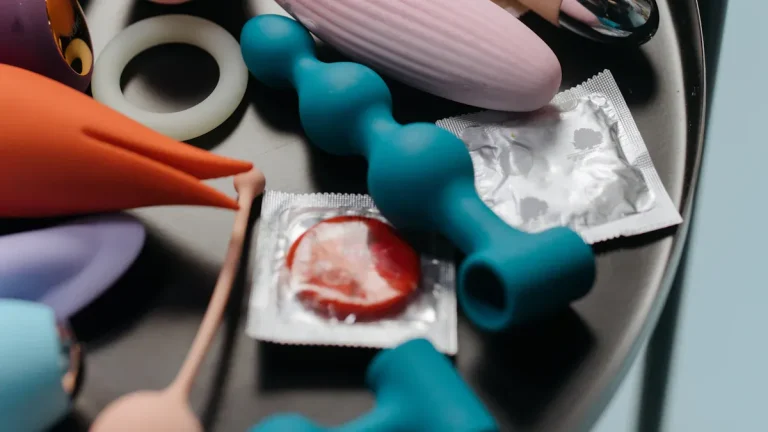




You may wonder if exploring new dimensions of pleasure is possible for you. Many adults share this curiosity, and seeking ways to enhance your sexual well-being deserves respect and compassion. Studies show that:
- Between 14% and 43% of women report experiencing multiple orgasms.
You can approach this journey with an open mind and prioritize your comfort. Every body is unique. Give yourself permission to experiment safely and celebrate your progress.
Key Takeaways
- Multiple orgasms are possible for both men and women, with various factors influencing the experience.
- Understanding your body and its responses can enhance your chances of experiencing multiple orgasms.
- Relaxation and a positive mindset are crucial for maximizing pleasure during sexual exploration.
- Open communication with your partner about desires and boundaries fosters intimacy and satisfaction.
- Experimenting with different types of stimulation can help you discover what feels best for you.
- Using sex toys and oral sex can significantly increase the likelihood of achieving multiple orgasms.
- Managing sensitivity and taking breaks can prevent discomfort and enhance the overall experience.
- Setting a safe and comfortable environment allows for better exploration and enjoyment of sexual pleasure.
Are Multiple Orgasms Possible?
Who Can Experience Multiple Orgasms
You may wonder if only certain people can experience multiple orgasms. Research shows that the ability to have more than one orgasm is not limited to one gender or age group. Both men and women report experiencing orgasm during sexual activity. The likelihood increases when you try a variety of sexual behaviors.
- A large study found that 91.3% of men and 64.4% of women experienced orgasm during their most recent sexual event.
- Engaging in different types of stimulation can boost your chances of reaching orgasm, regardless of gender.
- For women, age can play a role. Some women report more frequent orgasms as they get older, even if they notice changes in vaginal lubrication.
- Men can also experience multiple orgasms, though it is less common. Some men achieve this naturally, while others develop the skill through practice.
A peer-reviewed study of sexually diverse women highlights that multiple orgasm experiences are not uniform. Factors such as sexual motivation and history influence your likelihood of having multiple orgasms. The table below summarizes key findings:
| Variable Type | Description |
|---|---|
| Sample Size | 419 sexually diverse women ages 18 through 69 who identified as multiorgasmic. |
| Key Variables | Sexual motivation, sexual history, and multiple orgasm characteristics. |
| Findings | Four distinct groups of women identified based on the analysis of 15 variables across six components. |
| Implication | Suggests that female multiple orgasm is influenced by various factors rather than being uniform. |
What Are Multiple Orgasms
You may ask what defines multiple orgasms. Clinical studies describe multiple orgasms as a series of orgasms separated by a brief interval. After your first orgasm, you may experience a short period without orgasmic sensation. With continued or renewed stimulation, you can reach another orgasm soon after. This pattern can repeat, allowing you to experience waves of pleasure in one session.
Myths and Facts
Many myths surround multiple orgasms. You might hear that only women can have them or that they require a special technique. Scientific literature clarifies several points:
- Up to 10% of men have experienced multiple orgasms.
- Some men are multiorgasmic from their first sexual experiences, while others need to practice.
- Fewer than 10% of men in their 20s and less than 7% after 30 can experience multiple orgasms.
- Two types of male multiple orgasms exist: ‘sporadic’ and ‘condensed’.
- Practicing orgasm without ejaculation and using sex toys may help men achieve multiple orgasms.
- The G-spot’s existence remains unverified. You do not need to locate it to experience pleasure or multiple orgasms.
Tip: Focus on what feels good for your body. Let go of myths that create pressure or unrealistic expectations. Your experience is valid, and pleasure can take many forms.
The Science of Multiple Orgasms
Understanding the science behind multiple orgasms can help you tailor your approach and maximize pleasure. By learning how your body and brain respond during sexual activity, you can make informed choices that support your goals.
Anatomy and Nerves
Genital Anatomy
Your genitals contain a complex network of nerves that play a crucial role in sexual pleasure. The pelvic, hypogastric, and pudendal nerves transmit signals from the genitals to the spinal cord and brain. These pathways allow you to experience different sensations and responses during stimulation. When you explore various types of touch, you activate these nerves in unique ways, which can increase your chances of experiencing multiple orgasms.
Brain and Orgasm
Orgasms involve more than just physical stimulation. Your brain coordinates a cascade of chemical and electrical activity during climax. Several brain regions become active, each contributing to the experience:
| Brain Region | Role during Orgasm |
|---|---|
| Nucleus Accumbens | Dopamine release |
| Ventral Tegmental Area | Dopamine release |
| Medial Anterior Hypothalamic | Oxytocin release |
| Cerebellum | Muscular tension |
| Amygdala | Sympathetic tone increase |
| PAG, Dorsal Raphe | Pain attenuation |
| Hippocampus | Erotic fantasy |
| Anterior Cingulate, Insular | Pain and pleasure processing |
Note: Dopamine and oxytocin are key chemicals that enhance pleasure and bonding during orgasm. For more on the neuroscience of pleasure, you can visit Society for Neuroscience.
The Refractory Period
The refractory period is the time after orgasm when your body recovers before it can respond to sexual stimulation again. This period varies by gender and age:
| Gender | Average Duration |
|---|---|
| Male (young) | 15 minutes to 1 hour |
| Male (older) | Several hours to 24+ hours |
| Female | Often absent or very brief (seconds to minutes) |
If you have a short or absent refractory period, you may find it easier to experience multiple orgasms. Many women report being able to continue stimulation and reach another orgasm within minutes. Some men can reduce their refractory period through practice and specific techniques.
Types of Orgasms
Sexology research identifies several types of orgasms, each with unique physiological and emotional characteristics:
| Type of Orgasm | Physiological Differences | Emotional Experience Differences |
|---|---|---|
| Clitoral | Quick stress relief, independent of partner | Less deep emotional reactions |
| Vaginal | Deeper, longer, emotional connectedness | Deeper emotional reactions |
| Cervical | More intense, deep responses | Similar to vaginal in depth |
| Mixed | Simultaneous stimulation, more intense | More intense than clitoral alone |
You can experiment with different types of stimulation to discover what works best for you. For example, some people achieve multiple orgasms by combining clitoral and vaginal stimulation, while others focus on one area at a time.
Tip: Understanding your anatomy and the science of orgasm can empower you to explore new sensations and techniques. For more information, check out Planned Parenthood’s sexual health resources.
Mindset and Preparation
Before you begin exploring new sensations, you need to set the right mental and physical environment. Your mindset can shape your entire experience. When you approach sexual exploration with curiosity and self-compassion, you create space for growth and pleasure.
Relaxation and Flow State
Relaxation is essential for reaching a state where pleasure can build naturally. When you feel calm, your body responds more positively to stimulation. Research shows that mindfulness-based therapy can significantly improve sexual desire, arousal, and satisfaction. The table below highlights key findings from a recent study:
| Key Findings | Details |
|---|---|
| Mindfulness-based therapy | Significantly improved sexual desire, arousal, and sexual satisfaction. |
| Retention of effects | Positive effects lasted up to 6 months post-treatment. |
| Predictors of improvement | Increases in mindfulness predicted changes in sexual desire. |
| Sample size | 117 women participated in the study. |
| Treatment groups | Immediate vs. delayed treatment groups. |
You can try deep breathing, gentle stretching, or guided meditation before intimacy. These practices help you enter a flow state, where you focus on sensation and let go of distractions. When you feel present, you increase your chances of experiencing multiple orgasms.
Creating a Safe Space
A safe and comfortable environment supports your ability to relax and explore. You can enhance your space by adjusting lighting, playing soothing music, or using soft textures. Emotional safety is just as important as physical comfort. When you feel secure, you allow yourself to be vulnerable and open to new experiences.
- Positive body image strongly correlates with orgasm frequency.
- Sexual assertiveness and pride predict higher orgasm rates.
- Feeling comfortable communicating your desires leads to more frequent orgasms.
- A positive self-view increases sexual satisfaction.
Tip: Take time to check in with yourself. Ask what makes you feel safe and respected. You deserve an environment that honors your boundaries and needs.
Communication
Open communication is a powerful tool for enhancing pleasure, whether you are alone or with a partner. When you express your needs and desires, you create a foundation for trust and intimacy. Studies show that couples who communicate effectively about their sexual needs experience higher levels of satisfaction and more frequent orgasms. Honest discussions strengthen emotional bonds and improve sexual experiences.
If you explore solo, practice self-communication by tuning into your body’s signals. If you share intimacy with a partner, use clear language and active listening. You can use phrases like, “I enjoy this,” or “Let’s try something new.” Encourage feedback and celebrate discoveries together.
Remember: Your comfort and pleasure matter. Communication is not just about talking—it is about listening and responding with care.
Techniques for Multiple Orgasms

Extended Foreplay
Extended foreplay sets the foundation for experiencing multiple orgasms. You can use this time to build anticipation, increase arousal, and explore your partner’s or your own body without rushing toward climax. Research shows that longer periods of foreplay often lead to higher satisfaction and more intense orgasms. You might try the following strategies to enhance your experience:
- Focus on non-genital touch, such as massaging the back, neck, or thighs.
- Use your senses—incorporate scented oils, soft music, or dim lighting to create a relaxing atmosphere.
- Communicate openly about what feels good and what you want to try next.
- Alternate between gentle and more intense stimulation to keep arousal levels high without overwhelming sensitivity.
A case study from a couples’ therapy clinic highlights the impact of extended foreplay. One couple increased their foreplay from five to twenty minutes, incorporating massage and verbal affirmation. Both partners reported more frequent and satisfying orgasms, with the woman experiencing multiple orgasms for the first time. You can read more about the benefits of foreplay in sexual health at Planned Parenthood.
| Foreplay Duration | Reported Orgasm Frequency | Satisfaction Level |
|---|---|---|
| < 5 minutes | Low | Moderate |
| 10-20 minutes | Moderate | High |
| 20+ minutes | High | Very High |
Tip: Treat foreplay as an essential part of intimacy, not just a warm-up. The more you invest in this stage, the more likely you are to experience multiple orgasms.
First Orgasm Tips
Achieving the first orgasm in a session often sets the stage for subsequent orgasms. Experts recommend several strategies to help you reach this milestone:
- Spend more time on foreplay, including activities like flirting, kissing, and exploring sensitive areas.
- Understand and stimulate the ‘sweet spots’ such as the clitoris and G-spot, as these are crucial for achieving orgasm.
- Try female-friendly sexual positions that enhance clitoral stimulation, such as ‘Woman on Top’ and ‘Missionary With a Twist’.
You can also experiment with different rhythms and pressures to discover what works best for you. For example, some people find that slow, circular motions around the clitoris or glans increase arousal, while others prefer firmer, more direct stimulation. If you are with a partner, encourage them to ask for feedback and adjust their technique based on your responses.
A practical example: If you struggle to reach orgasm, you might start with solo exploration to identify your most sensitive areas. Use a mirror or your hands to map out what feels pleasurable. Once you feel confident, share this information with your partner to enhance your shared experience.
Note: Achieving the first orgasm may take time and patience. Celebrate small successes and stay curious about your body’s responses.
Managing Sensitivity
Managing sensitivity is crucial when you aim for multiple orgasms. Research indicates that while sexual arousal can enhance pleasurable sensitivity, it may also increase pain sensitivity during sexual activity. This means you need to balance stimulation to avoid discomfort. Lubrication plays a key role in reducing friction and preventing pain, especially during extended sessions. Psychological arousal, such as feeling relaxed and emotionally safe, also helps mitigate pain sensitivity and supports the experience of multiple orgasms.
You can manage sensitivity by:
- Using water-based or silicone lubricants to reduce friction.
- Taking short breaks between orgasms to allow your body to recover.
- Switching to lighter touch or different types of stimulation if you notice discomfort.
- Practicing mindfulness to stay attuned to your body’s signals.
A real-world example: After her first orgasm, one woman noticed increased sensitivity that bordered on discomfort. She communicated this to her partner, who switched to gentle caresses and used extra lubricant. This adjustment allowed her to relax and enjoy a second orgasm without pain.
If you experience persistent pain or discomfort, consult a healthcare provider or a certified sex therapist. You can find more information on managing sensitivity and sexual pain at The American Sexual Health Association.
Switching Stimulation
You can increase your chances of experiencing more than one orgasm by switching the type or location of stimulation during sexual activity. When you change from one technique to another—such as moving from clitoral to vaginal stimulation, or from hands to oral—you keep your nervous system engaged and prevent overstimulation of any single area. This approach helps you maintain arousal and avoid the numbing or discomfort that sometimes follows an orgasm.
Scientific studies show that your brain undergoes significant changes during orgasm. Activity decreases in regions responsible for self-control and inhibition, which allows you to feel more intense pleasure. By varying your stimulation, you can take advantage of these neurological shifts and prolong your sexual experience. The cerebellum, a part of your brain involved in emotional processing, becomes more active during orgasm. This means that switching techniques can also heighten your emotional engagement, making each orgasm feel unique.
To practice switching stimulation:
- Start with one type of touch, such as gentle clitoral circles or penile shaft strokes.
- After your first orgasm, pause for a moment and focus on another area, like nipples, inner thighs, or perineum.
- Use different pressures, rhythms, or tools (such as fingers, tongue, or a vibrator) to explore new sensations.
- Communicate with your partner or check in with yourself to see what feels best.
Tip: If you notice sensitivity or discomfort, switch to a less sensitive area or try a lighter touch. This keeps pleasure building without overwhelming your senses.
Clitoral Stimulation
Clitoral stimulation plays a central role in achieving multiple orgasms, especially for women. Research consistently shows that direct or indirect clitoral touch increases the likelihood of orgasm more than penetration alone. Many women find that clitoral stimulation is essential for reaching climax, and combining it with other types of stimulation can make orgasms more intense and satisfying.
- Clitoral stimulation significantly increases the likelihood of achieving multiple orgasms in women.
- Orgasms from clitoral stimulation are over twice as likely compared to those from penetration alone.
- 40.2% of women in one study reported never achieving orgasm through penetration without direct clitoral stimulation.
- 70% of women use clitoral stimulation during penetration to enhance pleasure.
- Simultaneous stimulation of the clitoris and vagina is reported to be particularly pleasurable.
You can use your fingers, a partner’s hand, or a sex toy to stimulate the clitoris. Try different motions, such as circles, tapping, or gentle side-to-side movements. Many people find that using a water-based lubricant reduces friction and increases comfort. If you want to combine sensations, experiment with simultaneous clitoral and vaginal stimulation. Women often describe these blended orgasms as more complex and pleasurable.
Note: Every person’s sensitivity is different. Start with light pressure and adjust based on your comfort. If you feel overstimulated, take a short break or switch to another area before returning to the clitoris.
Sex Toys and Oral Sex
Sex toys and oral sex can greatly enhance your ability to experience multiple orgasms. These methods allow for precise, varied, and sustained stimulation that may be difficult to achieve with hands or intercourse alone. Surveys show that most women find it easier to reach orgasm with the help of sex toys, and oral sex increases the likelihood of orgasm for many people.
| Contributing Factors to Orgasm | Description |
|---|---|
| Oral Sex | Women are more likely to orgasm if oral sex is part of their sexual experience. |
| Duration of Sex | Longer sexual encounters increase the likelihood of orgasm. |
| Relationship Satisfaction | Higher satisfaction in relationships correlates with increased orgasm rates. |
| Communication | Asking for what one wants in bed enhances orgasm likelihood. |
| Positive Reinforcement | Praising partners for their actions in bed can lead to better sexual experiences. |
| Sexual Initiation | Suggesting sexual activities through communication increases engagement. |
| Use of Lingerie | Wearing sexy lingerie can enhance sexual arousal and orgasm potential. |
| Experimentation | Trying new positions and incorporating fantasies can lead to more orgasms. |
| Anal Stimulation | Including anal stimulation can contribute to orgasm experiences. |
| Expressing Love | Sharing feelings of love during sex can enhance emotional and physical satisfaction. |
You can incorporate vibrators, suction devices, or textured toys to stimulate the clitoris, vagina, penis, or anus. Many people use toys during oral sex to add variety and maintain arousal between orgasms. Oral techniques, such as licking, sucking, or gentle blowing, provide a wide range of sensations and allow for close communication with your partner.
- 95% of women find it easier to orgasm with sex toys.
- 89% of couples have experienced simultaneous orgasms.
- 37% of couples report experiencing simultaneous orgasms half the time or more.
Tip: Clean your toys before and after use, and use plenty of lubricant to prevent discomfort. Open communication about what feels good will help you and your partner enjoy a safe and satisfying experience.
If you want more information on safe sex toy use and oral sex techniques, visit Planned Parenthood’s sexual health resources or The American Sexual Health Association.
Edging and Orgasm Control
Edging, also known as orgasm control, involves bringing yourself or your partner close to orgasm and then backing off before climax. You repeat this process several times before finally allowing orgasm to occur. This technique can help you build arousal, increase pleasure, and make it easier to experience multiple orgasms in one session.
You can practice edging during solo or partnered play. Start by stimulating yourself until you feel close to orgasm. Pause or switch to a lighter touch when you sense you are about to climax. After a short break, resume stimulation. Repeat this cycle as many times as you like. Over time, you will learn to recognize your body’s signals and control your arousal more effectively.
Research highlights several benefits of edging and orgasm control:
| Benefit | Description |
|---|---|
| Helps You Achieve Orgasm | People who practice edging and masturbation regularly reach orgasm more easily. |
| Enhances Mindfulness | Edging encourages you to focus on physical sensations and become more aware of your body’s limits. |
You can use edging to explore your arousal patterns and discover what feels best for you. This technique also helps you stay present and mindful during sexual activity. Many people find that edging increases the intensity of their orgasms and makes it possible to have more than one in a single session.
Tip: If you want to try edging with a partner, communicate openly about your boundaries and comfort level. Use a safe word or signal to pause if needed. For more information on orgasm control and sexual mindfulness, visit The American Sexual Health Association.
Best Positions
The sexual positions you choose can influence your ability to experience multiple orgasms. Some positions provide better access to sensitive areas, allow for deeper penetration, or make it easier to switch stimulation types. Clinical studies have identified several positions that are commonly associated with multiple orgasms:
- Cowgirl or reverse cowgirl
- Standing
- Closed missionary position
- Spooning
- Doggy (without hands on the floor)
You can experiment with these positions to find what works best for your body and preferences. For example, the cowgirl position gives you control over rhythm and depth, which can help you manage sensitivity and prolong pleasure. Spooning offers comfort and intimacy, making it easier to relax and focus on sensation. The closed missionary position allows for close contact and easy access to clitoral or penile stimulation.
Switching positions during a session can also help you maintain arousal and prevent overstimulation. You might start in one position, then move to another after your first orgasm. This approach keeps your experience fresh and can make it easier to achieve multiple orgasms.
Note: Always listen to your body and adjust positions as needed for comfort and pleasure. If you experience discomfort, try using pillows for support or changing angles. For more tips on sexual positions and pleasure, explore resources from Planned Parenthood.
Solo and Partnered Play
Solo Techniques
Exploring multiple orgasms on your own can help you understand your body’s unique responses. Start by creating a comfortable environment where you feel safe and relaxed. Use slow, intentional touch to build arousal. Focus on areas that respond well to stimulation, such as the clitoris, penis, nipples, or inner thighs. Many people find that using a mirror or changing positions increases self-awareness and pleasure.
Try these steps for solo exploration:
- Begin with gentle touch and gradually increase intensity.
- Use lubrication to enhance comfort and reduce friction.
- Experiment with different rhythms, pressures, and patterns.
- Practice edging by pausing before climax and resuming stimulation after a short break.
- Switch between erogenous zones to prevent overstimulation.
You can also incorporate sex toys to vary sensations. Vibrators, suction devices, or textured sleeves can help you maintain arousal and reach multiple peaks. Remember to listen to your body and take breaks if you feel discomfort.
Tip: Journaling your experiences can help you identify patterns and preferences, making future sessions more satisfying.
Partnered Techniques
When you share intimacy with a partner, you can use specific techniques to facilitate multiple orgasms. Research highlights that people who experience multiple orgasms often report greater satisfaction and motivation during partnered sex. Aligning your activities with your partner’s preferences increases the likelihood of orgasmic response.
Consider these strategies:
- Alternate between different types of stimulation, such as oral, manual, and penetrative activities.
- Use extended foreplay to build anticipation and arousal.
- Switch positions to access new angles and sensations.
- Incorporate mutual masturbation to learn from each other’s techniques.
| Findings | Description |
|---|---|
| Alignment of Activities | Greater alignment of sexual activities leads to better orgasmic response. |
| Preference for Partnered Sex | Individuals who align solo and partnered activities prefer partnered sex. |
| Orgasmic Response | Women aligning masturbation and partnered activities experience more orgasms. |
You can enhance pleasure by communicating openly about what feels good. Many couples find that praising each other and expressing love during sex deepens emotional connection and increases satisfaction.
Note: Experiment with new activities together and celebrate each discovery. This approach fosters trust and excitement.
Feedback and Communication
Effective feedback and communication play a vital role in achieving multiple orgasms. When you express your preferences and listen to your partner, you create a supportive environment for exploration. Studies show that open sexual communication enhances satisfaction and increases the frequency of orgasms.
- Sharing your desires leads to higher sexual desire and more frequent orgasms.
- Expressing preferences improves intimacy and strengthens your bond.
- Honest feedback reduces discomfort and helps prevent sexual pain.
You can use simple phrases like, “I like this,” or “Let’s try something different.” Encourage your partner to share their thoughts as well. Nonverbal cues, such as moans or body movements, also provide valuable feedback.
Remember: Communication is a skill you can develop. The more you practice, the more confident and connected you will feel during intimate moments.
For more guidance on sexual communication, consider resources from The American Sexual Health Association or Planned Parenthood.
Overcoming Challenges
Pain or Discomfort
You may encounter pain or discomfort during sexual exploration. These sensations can disrupt pleasure and make it difficult to experience multiple orgasms. Several physical factors often contribute to this challenge:
- Chronic conditions such as diabetes, nervous system disorders, or thyroid disease.
- Pelvic floor disorders or injuries from childbirth.
- Painful intercourse (dyspareunia).
- Hormonal changes from menopause, which affect arousal and natural lubrication.
- Medications or hormone disorders that impact estrogen or testosterone levels.
A case study highlights a woman who experienced pain after childbirth. She consulted a pelvic floor therapist and, after several sessions, reported improved comfort and increased sexual satisfaction. If you notice persistent pain, you should consult a healthcare provider specializing in sexual health or urology. These professionals can recommend targeted therapies, such as pelvic floor therapy or cognitive behavioral therapy (CBT), to address both physical and psychological aspects.
| Common Physical Challenges | Recommended Solutions |
|---|---|
| Pelvic floor disorders | Pelvic floor therapy |
| Hormonal changes | Medical evaluation, hormone therapy |
| Painful intercourse | Lubrication, therapy, medical advice |
| Chronic illness | Specialist referral |
Tip: Prioritize comfort by using adequate lubrication and communicating openly about any discomfort. For more information, visit The American Sexual Health Association.
Overstimulation
Overstimulation can occur when sensitive areas receive too much or too intense stimulation, especially after an orgasm. You might feel tingling, numbness, or even pain. This sensation can interrupt your ability to continue or enjoy further sexual activity.
To manage overstimulation:
- Switch to a different erogenous zone, such as the inner thighs or nipples.
- Use lighter touch or take short breaks between orgasms.
- Apply a cool compress or soothing lotion if you feel lingering sensitivity.
A practical example involves a man who experienced penile numbness after prolonged stimulation. He paused, focused on deep breathing, and resumed with gentler touch. This approach allowed him to regain sensation and continue enjoying intimacy.
Note: Listening to your body’s signals helps you avoid discomfort and maintain pleasure. If overstimulation persists, consider consulting a sex therapist for personalized strategies.
Emotional Barriers
Emotional barriers can significantly impact your ability to experience multiple orgasms. You may face challenges such as:
- Performance anxiety, which creates a cycle of worry and inhibits orgasm.
- Difficulty communicating your needs or preferences.
- Internalized shame or guilt from cultural or religious backgrounds.
- Emotional spillover from stress, sadness, or anger.
You can address these barriers by following a few key steps:
- Improve communication with your partner to express your needs and preferences openly.
- Manage stress using deep breathing, mindfulness, or relaxation techniques.
- Seek professional support, such as therapy, for complex emotional or trauma-related issues.
A woman once reported that cultural expectations made her feel ashamed of her desires. Through counseling and open conversations with her partner, she learned to embrace her sexuality and experienced multiple orgasms for the first time.
| Emotional Barrier | Action Step |
|---|---|
| Performance anxiety | Practice mindfulness, focus on sensations |
| Communication difficulties | Use “I” statements, ask for feedback |
| Cultural/religious shame | Seek counseling, join supportive communities |
| Emotional spillover | Address underlying emotions, self-care |
For additional support, explore resources from The American Psychological Association or connect with supportive communities on Reddit’s r/sex.
When to Seek Help
You may encounter challenges that go beyond what self-help strategies can address. Recognizing when to seek professional support is a crucial step in your journey toward healthy and satisfying sexual experiences. You deserve expert guidance if you notice persistent issues that impact your well-being or relationships.
Consider reaching out to a healthcare provider or certified sex therapist if you experience:
- Ongoing pain during or after sexual activity that does not improve with lubrication or position changes.
- Emotional distress, anxiety, or depression related to sexual experiences.
- Difficulty communicating with your partner about needs, boundaries, or consent.
- Loss of interest in sex that affects your quality of life or relationships.
- Physical symptoms such as numbness, bleeding, or changes in genital sensation.
- Trauma or past negative experiences that interfere with intimacy.
- Concerns about sexual function, such as inability to achieve orgasm despite trying multiple techniques.
Tip: You do not need to wait for a crisis to seek help. Early intervention often leads to better outcomes and greater confidence in addressing sexual health concerns.
What to Expect from Professional Support
A qualified professional will listen to your concerns without judgment. You can expect a confidential environment where you feel respected and understood. Many providers use evidence-based approaches, such as cognitive behavioral therapy (CBT), pelvic floor therapy, or medical evaluation, to address both physical and emotional aspects of sexual health.
| Professional | How They Can Help |
|---|---|
| Sex Therapist | Offers counseling for emotional, relational, or psychological barriers. |
| Medical Doctor | Evaluates physical causes, prescribes treatment, or refers to specialists. |
| Pelvic Floor Therapist | Provides exercises and therapy for pelvic pain or dysfunction. |
You can find certified professionals through reputable organizations. For more information, visit The American Association of Sexuality Educators, Counselors and Therapists or The American Psychological Association.
How to Prepare for Your Appointment
- Write down your symptoms, questions, and goals.
- Be honest about your experiences and concerns.
- Bring a list of medications or relevant medical history.
- If you feel nervous, consider bringing a trusted friend or partner for support.
Remember: Seeking help is a sign of strength and self-care. You have the right to prioritize your sexual health and happiness.
If you need immediate support for emotional distress, you can reach out to a mental health hotline or trusted community resource. For ongoing education and peer support, online communities such as Reddit’s r/sex offer a space to share experiences and ask questions anonymously.
Safe and Enjoyable Exploration
Listening to Your Body
You can maximize pleasure and minimize risk by tuning into your body’s signals. Your body communicates through sensations like warmth, tingling, tension, or discomfort. Recognizing these cues helps you adjust your actions in real time. If you notice pain, numbness, or emotional distress, pause and reassess. Pleasure should never come at the expense of your well-being.
How to listen to your body:
- Pause frequently and check in with yourself.
- Rate your comfort and arousal on a scale from 1 to 10.
- Notice changes in breathing, muscle tension, or mood.
- Adjust stimulation, position, or pace based on feedback.
Tip: If you feel overwhelmed or disconnected, take a break. Hydrate, breathe deeply, and return when you feel ready. For more on body awareness, visit Planned Parenthood’s sexual health resources.
Setting Boundaries
Clear boundaries create a foundation for safe and enjoyable exploration. You have the right to decide what feels good and what does not. Setting boundaries protects your physical and emotional health. Communicate your limits before and during any sexual activity.
Steps to set boundaries:
- Identify your comfort zones and limits.
- Share your boundaries with your partner using direct language.
- Agree on a safe word or signal to pause or stop.
- Respect your partner’s boundaries as much as your own.
| Boundary Type | Example Statement |
|---|---|
| Physical | “I do not want to try that position.” |
| Emotional | “I need more time before we continue.” |
| Sensory | “That touch feels too intense for me.” |
Note: Boundaries can change over time. Revisit them regularly and update as needed. For guidance on consent and boundaries, see The American Sexual Health Association.
Embracing Experimentation
Experimentation helps you discover new sources of pleasure and deepen intimacy. You can try different techniques, positions, or fantasies in a safe, consensual way. Approach each new experience with curiosity rather than pressure.
How to embrace experimentation:
- Make a list of activities you want to try.
- Start with low-risk options and build confidence.
- Debrief after each session to discuss what worked.
- Celebrate discoveries, even if some experiments do not lead to orgasm.
Callout: Exploration is a journey, not a race. Every attempt teaches you something valuable about your body and desires. For more ideas on sexual experimentation, explore Reddit’s r/sex community for real-life stories and advice.
You can create a safe, respectful, and enjoyable environment by listening to your body, setting clear boundaries, and embracing experimentation. These steps empower you to explore pleasure confidently and responsibly.
You deserve to celebrate every step of your journey toward multiple orgasms. Progress may look different for everyone, so stay patient and honor your unique experience. Always prioritize safety, consent, and self-care.
- Experiment with new techniques and communicate openly.
- Listen to your body and respect your boundaries.
You hold the power to explore pleasure confidently. Embrace curiosity and enjoy discovering what works best for you.
FAQ
Can everyone experience multiple orgasms?
You can increase your chances of experiencing multiple orgasms with practice and the right techniques. Most women have a shorter refractory period, making it easier. Some men can learn to achieve them through specific methods. Every body responds differently.
How long should I wait between orgasms?
You should listen to your body. Some people need only seconds or minutes, while others need longer. If you feel discomfort or sensitivity, take a break. Hydrate and relax before resuming. For more on sexual response, visit Planned Parenthood.
Do sex toys help with multiple orgasms?
You can use sex toys to provide consistent and varied stimulation. Many people find toys helpful for achieving multiple orgasms, especially when switching between types of stimulation. Always clean toys before and after use for safety.
Is it normal to feel sensitive or sore after an orgasm?
You may feel increased sensitivity or mild soreness after orgasm, especially with prolonged stimulation. This is common. If pain persists, stop and rest. Use lubrication to reduce friction. Persistent pain may require consultation with a healthcare provider.
Can men have multiple orgasms without ejaculation?
You can learn to separate orgasm from ejaculation with practice. Techniques like edging and pelvic floor exercises help some men achieve multiple orgasms. Results vary. For more information, explore resources from The American Sexual Health Association.
What if I cannot reach orgasm at all?
You should not feel discouraged. Many factors affect orgasm, including stress, medication, and emotional state. Try different techniques and communicate your needs. If you continue to struggle, consider speaking with a sex therapist or healthcare provider.
How do I talk to my partner about trying for multiple orgasms?
You can start by sharing your curiosity and goals. Use open, nonjudgmental language. Ask your partner about their interests and comfort level. Mutual respect and honest communication build trust and make exploration more enjoyable. For tips, see The American Sexual Health Association.