


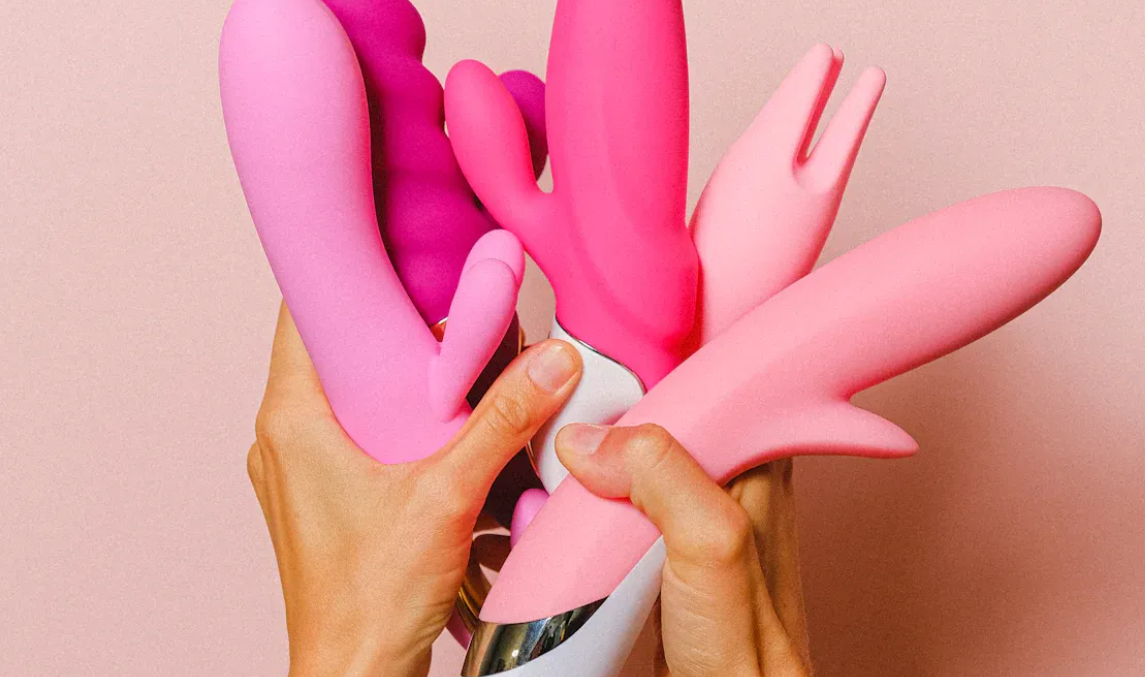

You might wonder how to enhance your pleasure and reach new heights in your intimate experiences. Many people with vulvas find that clitoral stimulation plays a crucial role in achieving orgasm, with 37% requiring it and 36% reporting a more intense experience. Exploring both toys and manual techniques can help you discover what feels best for your body. Clitoral Orgasm supports overall sexual wellness, boosts confidence, and encourages you to embrace your unique preferences. Always prioritize comfort and consent during your exploration.
Key Takeaways
- Clitoral stimulation is key for many people with vulvas to achieve orgasm. Explore different methods to find what feels best for you.
- Understanding your clitoral anatomy can enhance pleasure. The clitoris is more than just a small bump; it has complex structures that respond to touch.
- Experiment with various techniques, such as circular motions or tapping, to discover what brings you the most pleasure.
- Using lubricants can significantly improve your experience by reducing friction and increasing comfort during stimulation.
- Communicate openly with your partner about your preferences. Sharing what feels good can lead to a more satisfying experience for both of you.
- Try different types of clitoral toys, like vibrators or suction devices, to add variety and enhance your pleasure.
- Take your time and focus on building arousal gradually. Techniques like edging can lead to more intense orgasms.
- Listen to your body and adjust your techniques as needed. If something feels uncomfortable, stop and try a different approach.
Clitoral Stimulation Basics
What Is Clitoral Stimulation
Clitoral stimulation refers to any touch, pressure, or movement that activates the sensitive nerve endings of the clitoris. You can use your fingers, a partner’s mouth, or sex toys to create pleasurable sensations. The clitoris acts as the pleasure center of your reproductive anatomy. It contains a complex network of erectile tissue and nerves, with parts both inside and outside your body. When you stimulate the clitoris, you may feel sexual arousal and heightened tension, which can lead to orgasm. Most people find that the clitoris is the most sensitive part of the vulva and produces intense sexual responses.
Tip: Try different types of touch, such as gentle rubbing, tapping, or circular motions, to discover what feels best for you.
Sexual health experts have studied how clitoral stimulation works. Research shows that direct stimulation of the external clitoris is the easiest way for most women to reach climax. All female orgasms involve clitoral stimulation, either directly or indirectly. You do not need to rely on one method. You can explore oral sex, manual techniques, or toys to find what suits your body.
Key Points:
- The clitoris responds to various types of touch.
- Stimulation can lead to sexual arousal and orgasm.
- The clitoris is the most sensitive part of the vulva.
Why It Matters for Pleasure
Clitoral stimulation plays a vital role in sexual pleasure and orgasm. Scientific studies highlight its importance for sexual wellness. You may notice that orgasms achieved through clitoral stimulation offer better control of sexual desire and lower associations with depression or anxiety compared to vaginally stimulated orgasms.
| Study Focus | Findings |
|---|---|
| Clitoral vs Vaginal Orgasm | Clitorally stimulated orgasms link to better control of sexual desire and lower rates of depression/anxiety. |
| Intensity of Orgasm | 40.9% of women can orgasm through both types; vaginal orgasms may feel more intense for some. |
| Orgasm Gap Factors | Anatomical differences and hormonal changes affect orgasm rates; clitoral stimulation remains essential. |
Many people believe that vaginal penetration alone leads to orgasm. In reality, only about 20% of women can reach orgasm this way. Most need clitoral stimulation. Another misconception is that vaginal and clitoral orgasms are completely separate. The vagina does not have enough nerve endings to produce intense pleasure on its own. Orgasms from vaginal stimulation often involve the internal structure of the clitoris.
- Common misconceptions:
- Vaginal penetration alone leads to orgasm for most women.
- Vaginal and clitoral orgasms are entirely distinct.
- The vagina is rich in nerve endings.
You can normalize clitoral pleasure by understanding your anatomy and exploring what feels good. You do not need to feel embarrassed or ashamed. Many people share similar experiences. Try different techniques and communicate your preferences with your partner. Your comfort and pleasure matter most.
Clitoral Anatomy Essentials
Key Parts of the Clitoris
Understanding your clitoral anatomy helps you make informed choices about stimulation. Many people think the clitoris is just a small bump at the top of the vulva. In reality, it is a much larger and more complex organ. You can break down the clitoris into several key parts:
- Clitoral Glans: This is the visible tip, about the size of a pea. It sits at the top of the vulva, just above the urethra. The glans contains thousands of nerve endings, making it the most sensitive part.
- Clitoral Body (Shaft): This part extends back from the glans under the skin. You cannot see it, but you can sometimes feel it when aroused.
- Crura and Corpora Cavernosa: These internal structures look like wishbones and run along the sides of the vulva. They fill with blood during arousal, which increases sensitivity.
- Dorsal Nerve: This main nerve supplies sensation to the clitoris. It contains over 10,000 nerve fibers, more than previously thought.
- Vestibular Bulbs: These sit on either side of the vaginal opening and swell during arousal, adding to the feeling of fullness and pleasure.
Tip: When you explore your body, try gentle touch around the glans and along the outer labia. You may notice different sensations as you move closer to the clitoral shaft or bulbs.
Many anatomical studies show that the clitoris extends deep into the pelvis. The internal network of nerves and tissues means that stimulation in one area can create pleasure in another. You can learn more about vulvar anatomy from resources like Planned Parenthood.
How Anatomy Affects Stimulation
Your unique anatomy shapes how you experience pleasure. The clitoris is not just a single point but a network of sensitive tissue. Each part responds differently to touch, pressure, and vibration. Here is a quick overview of how the main structures contribute to sensation:
| Structure | Function |
|---|---|
| Paired crura and corpora cavernosa | Fill with blood during arousal, increasing sensitivity and pleasure. |
| Dorsal nerve of the clitoris | Delivers intense sensation during stimulation due to dense nerve fibers. |
The dorsal nerve, a branch of the pudendal nerve, plays a key role in sexual sensation. When you stimulate the clitoral glans, the nerve endings send signals to your brain. You may feel tingling, warmth, or waves of pleasure. The internal parts, like the crura and bulbs, respond to indirect touch, such as grinding or pressing against the vulva.
- The clitoral glans reacts best to light, gentle touch.
- The internal shaft and bulbs may respond to firmer pressure or rhythmic movement.
- Some people enjoy alternating between direct and indirect stimulation to build arousal.
You can experiment with different techniques to find what feels best. Try using your fingers to trace circles around the glans, then press gently along the outer lips. Notice how your body reacts. If you use toys, select shapes and settings that match your anatomy and preferences.
Note: Every body is different. What feels good for one person may not work for another. Listen to your body and adjust your approach as you explore.
If you want to learn more about sexual anatomy and pleasure, consider visiting educational platforms like Scarleteen or following sex educators on social media for tips and diagrams.
Achieving Clitoral Orgasm
What Is a Clitoral Orgasm
A clitoral orgasm happens when you stimulate the clitoris until you reach a peak of sexual pleasure. This type of orgasm often feels intense and focused around the vulva. Most people with vulvas describe it as a strong, rhythmic release of tension. You may notice muscle contractions, a rush of warmth, or a wave of relaxation afterward.
Research shows that clitoral stimulation is the most reliable way to achieve orgasm for people with vulvas. Here are some key statistics:
- Approximately 70% of women report orgasms exclusively from clitoral stimulation.
- About 26% of women experience vaginal orgasms without clitoral stimulation.
These numbers highlight the importance of understanding your own body and preferences. You can explore different types of touch, pressure, and rhythm to discover what brings you the most pleasure. If you want to learn more about sexual response, you can visit educational resources like Planned Parenthood.
Building Up to Orgasm
Reaching a clitoral orgasm often requires patience and a gradual buildup of arousal. You can enhance your experience by focusing on both physical and mental stimulation. Sex therapists recommend several effective techniques:
- Focus on foreplay to increase arousal before direct clitoral stimulation.
- Stimulate other erogenous zones, such as the nipples and inner thighs, to heighten sensitivity.
- Engage in self-pleasure with an emphasis on building arousal slowly.
- Use mental arousal, such as fantasies or erotic stories, to deepen excitement.
You might start by exploring your body with gentle touch. Try using your fingers to trace circles around the clitoral glans, then move to other sensitive areas. Many people find that teasing the clitoris, rather than direct stimulation at first, helps build anticipation. You can also experiment with different positions or add a toy to vary the sensations.
Tip: Take your time and pay attention to your breathing. Slow, deep breaths can help you relax and stay present in the moment.
A gradual approach allows your body to respond naturally. You may notice that arousal builds in waves. If you feel close to orgasm, you can slow down or change the type of touch to prolong the experience. This technique, sometimes called “edging,” can lead to more intense orgasms.
| Technique | How It Helps Build Arousal |
|---|---|
| Foreplay | Increases blood flow and sensitivity |
| Erogenous zone focus | Heightens overall pleasure |
| Gradual self-pleasure | Prevents overstimulation |
| Mental arousal | Engages the brain for deeper excitement |
For more ideas on building arousal, you can follow sex educators on platforms like Scarleteen or Instagram.
Common Barriers and Solutions
You may face challenges on your journey to clitoral orgasm. Both psychological and physical barriers can affect your experience. Clinical studies identify several common obstacles:
- Lack of sexual knowledge
- Shame or embarrassment
- Difficulty concentrating
- Fear of sexual intercourse or pregnancy
- Anxiety about orgasm failure
- Fatigue or stress
- Vaginal infections
- Insufficient lubrication
These barriers can make it harder to relax and enjoy the moment. However, you can take practical steps to overcome them:
- Try clitoral stimulation devices to enhance sensation and increase the likelihood of orgasm.
- Use other sex toys during solo or partnered play to add variety.
- Practice mindfulness techniques, such as focusing on your breath or using guided meditations, to reduce anxiety and improve concentration.
- Seek therapy or counseling if you struggle with shame, fear, or anxiety related to sex.
- Consider pelvic floor physical therapy to address physical discomfort or tension.
Note: If you experience pain, persistent discomfort, or emotional distress, consult a healthcare provider or a certified sex therapist for support.
You can also improve your experience by using water-based lubricant to reduce friction and prevent irritation. If you feel tired or distracted, set aside time when you feel rested and relaxed. Open communication with your partner can help you express your needs and preferences.
| Barrier | Solution |
|---|---|
| Lack of knowledge | Learn from reputable sexual health resources |
| Shame or anxiety | Practice self-compassion and seek counseling |
| Physical discomfort | Use lubricant or try pelvic floor therapy |
| Difficulty concentrating | Use mindfulness or relaxation techniques |
You have the power to shape your sexual experiences. By understanding your body, experimenting with techniques, and addressing barriers, you can increase your chances of achieving a clitoral orgasm. Remember, pleasure is personal, and your journey is unique.
Choosing Clitoral Toys
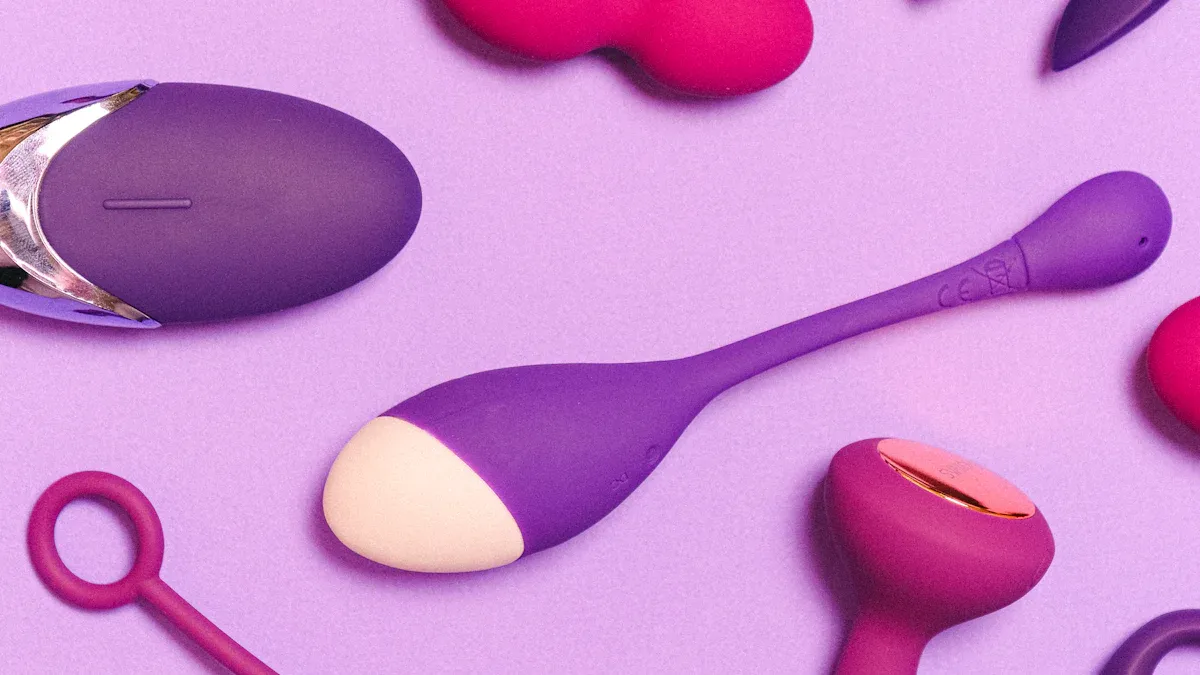
Exploring clitoral toys can open up new possibilities for pleasure and self-discovery. You have many options, each offering unique sensations and benefits. Understanding the main types of toys and their features helps you make informed choices that suit your preferences and needs.
Types of Toys
Vibrators
Vibrators remain one of the most popular choices for clitoral stimulation. You can find them in various shapes and sizes, from small bullet vibrators to larger wand styles. Vibrators use rapid movements to create strong or gentle sensations on the clitoris. Many people enjoy the versatility, as you can adjust the speed and intensity to match your mood. Some vibrators are waterproof, making them easy to clean and suitable for use in the shower.
Suction Devices
Suction devices, sometimes called air-pulse stimulators or “clit suckers,” have gained popularity for their ability to mimic the feeling of oral sex. These toys use gentle pulses of air to stimulate the clitoris without direct contact. Many users report that suction devices provide intense, focused pleasure while reducing the risk of overstimulation. Market research highlights air-pulse vibrators as a top choice for those seeking new sensations. You can learn more about these devices from resources like O.school.
External Stimulators
External stimulators include a wide range of toys designed to target the clitoris and surrounding areas. These may feature soft silicone tips, flexible arms, or textured surfaces. Some external stimulators combine vibration and suction, while others focus on gentle tapping or massaging motions. You can use these toys alone or with a partner to enhance foreplay and overall pleasure.
Tip: Try different types of toys to discover which sensations you enjoy most. Start with a low setting and increase intensity as you become more comfortable.
| Toy Type | Features | Safety Considerations | User Satisfaction* |
|---|---|---|---|
| Vibrators | Adjustable speeds, waterproof | Look for body-safe materials | High |
| Suction Devices | Air-pulse, gentle suction | Easy to clean, non-porous | Very High |
| External Stimulators | Flexible, textured, multi-use | Check for certifications | High |
*Based on user reviews and market research. For more details, visit Scarleteen.
Features and Safety
When choosing a clitoral toy, safety should always come first. You want to select products made from non-toxic, body-safe materials like medical-grade silicone, glass, or stainless steel. Reputable manufacturers follow strict safety standards to protect your health.
- Check for safety certifications on the product label.
- Research the materials to ensure they are free from harmful chemicals.
- Confirm that the manufacturer complies with recognized safety standards.
| Safety Standard/Certification | Description |
|---|---|
| Body-safe Materials | Non-toxic materials such as silicone, glass, and stainless steel |
| Rigorous Testing | Products undergo thorough safety and electrical tests |
| Compliance Certification | Manufacturers demonstrate adherence to safety standards through certification |
Safety standards help ensure that toys do not contain substances like phthalates or lead. Many reputable brands comply with regulations set by agencies such as the FDA. Certifications like ISO 13485 indicate high safety and quality. For more information on safe sex toy materials, you can visit Planned Parenthood.
Note: Always clean your toys before and after use, and store them in a dry, safe place. Using a water-based lubricant can enhance comfort and protect sensitive skin.
Choosing the right clitoral toy involves considering your preferences, safety, and comfort. By exploring different types and features, you empower yourself to create pleasurable and safe experiences.
Manual and Toy Techniques
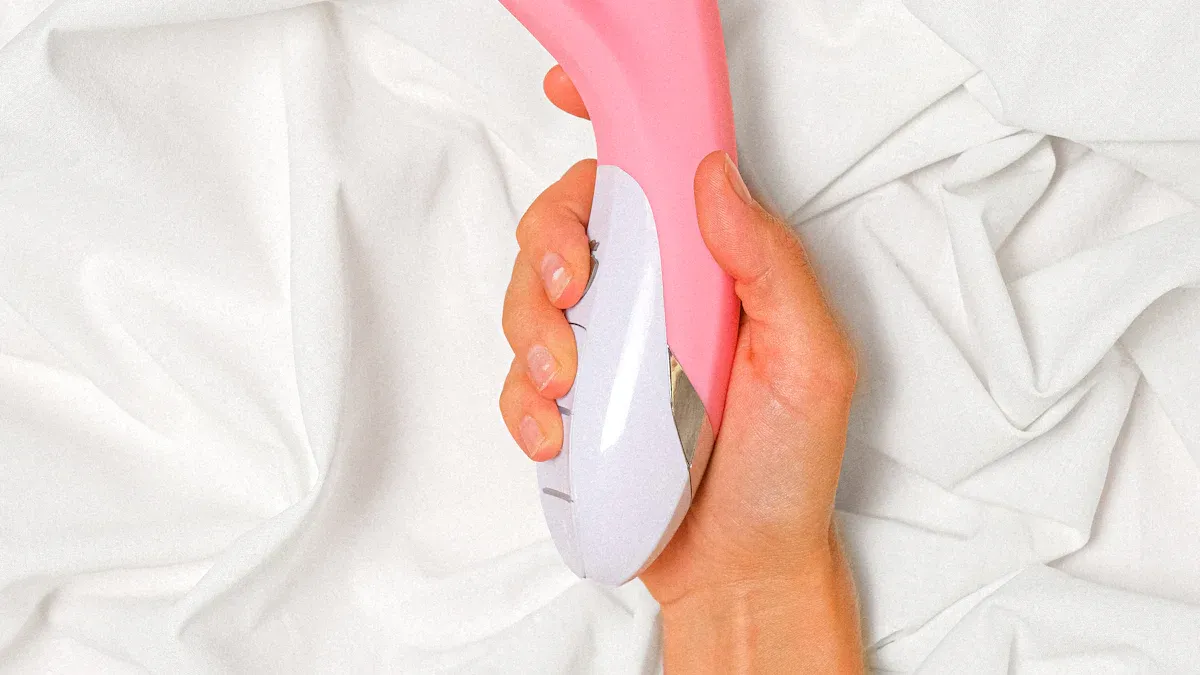
Exploring different manual and toy techniques can help you discover what brings the most pleasure. You can try a variety of finger movements and experiment with toys to find the best fit for your body. Many sex educators recommend starting with manual techniques before adding toys, as this helps you learn your preferences and responses.
Finger Techniques
Your fingers offer a versatile and sensitive way to stimulate the clitoris. You can control pressure, speed, and rhythm easily. Many people find that using a water-based lubricant increases comfort and sensation. Here are some popular finger techniques recommended by sex educators:
- Circular Motions: Lightly rub your clitoris in small circles. Use a water-based lubricant to create a smooth, gliding sensation. This technique often feels gentle and relaxing.
- Up and Down Strokes: Gently move your fingers up and down over the clitoral area. You can adjust the speed and pressure to match your arousal level.
- Pulsing Touches: Apply and release pressure rhythmically. This creates a pulsing effect that can build excitement.
- Variation: Switch between different techniques. For example, alternate circular motions with up and down strokes to keep sensations fresh.
- Edging: Bring yourself close to orgasm, then pause or slow down. Repeat this process several times before climaxing. Many people report that edging leads to a more intense Clitoral Orgasm.
Grinding
Grinding involves pressing your pelvis or vulva against your hand, a pillow, or a partner’s body. You can use slow, steady movements to stimulate the clitoris and surrounding areas. Many people enjoy grinding because it provides indirect stimulation and allows you to control the pressure. Try different angles and surfaces to see what feels best. Grinding can also be combined with other techniques for added pleasure.
Tapping
Tapping uses light, rhythmic touches on the clitoral glans or hood. You can use one or two fingers to gently tap the area. This technique creates a tingling sensation and can help build arousal without overwhelming sensitivity. Some people like to alternate tapping with other movements, such as rubbing or circling, to increase excitement.
Circular Motions
Circular motions remain one of the most popular and effective finger techniques. You can use the pad of your finger to trace small or large circles around the clitoris. Adjust the speed and pressure based on your comfort. Many people find that starting with light circles and gradually increasing intensity helps build arousal. Adding lubricant can make the motion smoother and more pleasurable.
Tip: Try combining different finger techniques in one session. Notice how your body responds to each movement. You can also use your non-dominant hand for a different sensation.
You might wonder how effective these manual techniques are. Research shows that clitoral stimulation during intercourse leads to a higher success rate for orgasm compared to intercourse without it. The table below summarizes reported success rates:
| Technique | Success Rate (%) | Notes |
|---|---|---|
| Clitoral stimulation during intercourse | 51–60 | Higher rates when specifically asked about clitoral stimulation. |
| Intercourse without clitoral stimulation | 21–30 | Significantly lower rates when clitoral stimulation is not included. |
| Clitoral stimulation by partner’s hand | N/A | Similar to female masturbation; predictors vary by sample. |
| Self-stimulation during sex | N/A | Positive predictor for orgasm satisfaction in one sample, but not for sexual satisfaction. |
You can see that adding clitoral stimulation greatly increases the chance of reaching orgasm. For more tips and demonstrations, you can visit Scarleteen’s guide to masturbation or follow educators on Instagram.
Using Toys for Stimulation
Sex toys can provide new sensations and help you explore your body in different ways. Many people use vibrators, suction devices, or external stimulators to enhance clitoral pleasure. Research shows that using toys increases blood flow to the clitoris and can change its size and erectile length. These changes often lead to stronger arousal and more intense orgasms.
Studies also show that vibratory stimulation produces a higher pulse amplitude in the vagina compared to manual methods. This means that toys can create deeper and more powerful sensations. Some clinical trials found that using a clitoral therapy device improved sexual function for people with certain medical conditions.
| Study Title | Findings | Methodology |
|---|---|---|
| Pilot sonographic study of clitoral blood flow and size after use of sexual devices | Increased blood flow and changes in clitoral area and erectile length with device stimulation. | Clitoral sonography before and after stimulation with various devices. |
| Clitoral Therapy Device for Alleviating Sexual Dysfunction After Female Genital Mutilation | Significant improvement in sexual function compared to traditional therapy alone. | Randomized controlled trial assessing the Eros-CTD’s effectiveness. |
| Effect of vibratory stimulation on arousal | Higher pulse amplitude of the vagina with vibratory stimulation than with manual methods. | Study involving women with spinal cord injuries and a control group. |
You can start with a low setting and increase intensity as you become more comfortable. Many people enjoy using toys in combination with manual techniques. Always use a water-based lubricant with silicone toys to protect your skin and the toy’s surface. Clean your toys before and after each use to maintain hygiene.
For more information on safe and effective toy use, check out Planned Parenthood’s sex toy guide or follow sex educators on Twitter.
Combining Toys and Manual Methods
You can combine toys and manual techniques to create a personalized experience. For example, you might use your fingers to stimulate the clitoral hood while a vibrator targets the glans. Some people enjoy alternating between manual and toy stimulation to prevent overstimulation and keep sensations varied.
Try these combinations for enhanced pleasure:
- Use a vibrator on the clitoris while your fingers explore the labia or inner thighs.
- Alternate between circular finger motions and gentle suction from a toy.
- Start with manual techniques to build arousal, then switch to a toy for a powerful finish.
- Practice edging by pausing toy use just before orgasm, then resuming with your fingers.
Note: Listen to your body and adjust your approach as needed. If you feel discomfort or numbness, take a break and try a different technique.
Combining methods allows you to tailor your experience and discover new pathways to pleasure. Many people report that mixing manual and toy techniques leads to more satisfying and consistent Clitoral Orgasm. You can find more ideas and demonstrations from educators on YouTube or TikTok.
Exploring manual and toy techniques empowers you to understand your body and maximize your pleasure. You can experiment with different movements, pressures, and rhythms to find what works best for you. Remember, there is no right or wrong way—only what feels good for you.
Enhancing Pleasure
Using Lubricant
Lubricant can transform your experience with clitoral stimulation. You might notice that adding a water-based lubricant reduces friction and makes every touch feel smoother. Many people find that lubricant helps prevent irritation, especially during longer sessions or when using toys. Studies show that topical creams and over-the-counter lubricants can increase genital warmth and comfort, which may enhance arousal and reduce discomfort.
- Lubricants can increase genital temperature in the clitoris and vulva, which may signal heightened arousal.
- Many people use lubricants to manage dryness or sensitivity during stimulation.
- Experts recommend experimenting with different types of lubricants to find what feels best for your body.
You can apply a small amount of lubricant directly to the clitoral area or onto your fingers and toys. Start with a pea-sized drop and add more if needed. If you want more information about safe lubricant use, visit Planned Parenthood’s guide or follow educators on Instagram.
Tip: Choose water-based lubricants for use with silicone toys. Oil-based products can damage some materials and may not be safe for all users.
Adjusting Pressure and Speed
You can fine-tune your pleasure by changing the pressure and speed of your touch or toy. Some people enjoy gentle, feather-light strokes, while others prefer firmer, rhythmic movements. Scientific research highlights how your body responds to different sensations. Devices like biothesiometers and genitosensory analyzers measure clitoral sensitivity and show that sexual stimulation lowers the threshold for sensation. This means your clitoris becomes more responsive as arousal builds.
| Method | What It Measures | Key Finding |
|---|---|---|
| Biothesiometer | Clitoral sensitivity to pressure | Perception thresholds decrease with sexual stimulation |
| Genitosensory Analyzer | Sensory thresholds for vibration | Clitoral and vaginal vibration are sensitive markers for sexual function |
| Clitoral blood flow study | Blood flow response to vaginal pressure stimulation | Increased blood flow signals a physiological response to pressure |
You can experiment by starting with slow, light touches and gradually increasing speed or pressure. Notice how your body reacts. If you feel overstimulated, slow down or switch to a gentler motion. Many people find that alternating between soft and firm pressure keeps sensations exciting. For more tips, check out Scarleteen’s masturbation guide.
Try using a toy with adjustable settings. Begin on the lowest speed and increase as you become more aroused.
Exploring Positions
Changing positions can help you access new sensations and make clitoral stimulation more enjoyable. Sex therapists often recommend specific positions that allow for direct or indirect clitoral contact. You can try these options to see what works best for you:
- Coital Alignment Technique (CAT): Lie on your back with a pillow under your hips. This position brings your partner’s body into closer contact with your clitoris, increasing friction and pleasure.
- Table Top Position: Position yourself so your partner or you can easily reach the clitoris with hands or a toy. This setup allows for eye contact and shared intimacy.
- Scoop Me Up: Lie on your side facing the same direction as your partner. Both of you can enjoy skin-to-skin contact, and either person can stimulate the clitoris during movement.
You can also try grinding against a pillow or your partner’s thigh for indirect stimulation. Many people find that experimenting with positions leads to new discoveries about their bodies. For more ideas, visit O.school’s position guide or follow sex educators on TikTok.
Remember: There is no single “best” position. Explore at your own pace and choose what feels most comfortable and pleasurable for you.
Communication and Experimentation
Sharing Preferences
Open communication forms the foundation of a satisfying sexual experience. When you share your preferences with a partner, you help create a safe space for exploration. You might start by describing what types of touch or stimulation you enjoy. Using clear language, such as “I like gentle circles” or “I prefer more pressure,” can guide your partner. If you feel nervous, try discussing your interests outside the bedroom first. Many people find that texting or writing down their thoughts helps break the ice.
You can also use tools like the “Yes, No, Maybe” list to identify what you want to try. This approach encourages honest conversations and helps both partners understand boundaries. For more ideas on communication strategies, you can explore resources from Scarleteen or join discussions on Reddit’s r/sex for real-life examples.
Tip: Use positive reinforcement. When your partner does something you like, let them know with words or gentle feedback.
Experimenting Safely
Trying new techniques or toys can add excitement to your journey toward Clitoral Orgasm. Safety should always come first. Begin with soft, indirect stimulation and increase intensity only if it feels good. Always check in with yourself and your partner about comfort levels.
Dos and Don’ts for Safe Experimentation:
| Dos | Don’ts |
|---|---|
| Start small and slow | Avoid forcing insertion |
| Warm up with foreplay | Do not skip lubricant |
| Experiment with angles and positions | Never use household items as toys |
| Test vibration intensities gradually | Avoid advanced toys as a beginner |
| Stop immediately if you feel pain |
You should always use a water-based lubricant to reduce friction. Avoid using any objects not designed for sexual use. If you feel discomfort or pain, stop right away. Open communication and consent remain essential for comfort and enjoyment. For more safety tips, visit Planned Parenthood’s guide.
Listening to Your Body
Your body gives you important signals during sexual play. Pay attention to sensations like tingling, warmth, or pleasure. If you notice discomfort, numbness, or pain, take a break. Clitoral pain, sometimes called clitorodynia, can range from mild to severe and may occur during or after stimulation. This discomfort might also appear during activities like bathing or exercise.
If you experience persistent pain, consult a healthcare provider. They can help identify the cause and suggest treatments. Addressing discomfort early supports your sexual health and wellbeing. Remember, pleasure should never hurt. Listening to your body helps you enjoy experimentation at your own pace.
Note: Everyone’s experience is unique. Explore slowly, respect your boundaries, and celebrate your discoveries.
For more advice on tuning into your body’s signals, you can follow sex educators on Instagram or read expert Q&As on O.school.
You can explore clitoral stimulation confidently and at your own pace. Understanding your anatomy, trying new techniques, and communicating openly all help you discover what feels best. Research highlights these key points:
- Knowing the clitoris’s structure boosts pleasure.
- Sharing preferences and techniques with a partner improves satisfaction.
- Exploring manual, oral, and toy-based stimulation leads to new sensations.
- Sex toys can add variety and enhance your experience.
Pleasure is personal, and healthy experimentation supports your sexual wellness. For more guidance, check out resources like The Ultimate Guide to Clitoral Stimulation, O.School: The Clitoris, and A guide to clitoral sex.
FAQ
What is the safest way to clean clitoral toys?
You should wash your toys with warm water and mild, unscented soap before and after each use. Dry them with a clean towel. For more details, visit Planned Parenthood’s guide.
Can you overstimulate the clitoris?
Yes, overstimulation can cause temporary numbness or discomfort. If you feel sore or sensitive, take a break. Use gentle touch and lubricant to reduce irritation. Listen to your body and adjust your technique as needed.
How do you know which toy is right for you?
Start with a simple, body-safe toy like a small vibrator or external stimulator. Experiment with different shapes and settings. Pay attention to what feels best. You can read more tips at Scarleteen’s sex toy guide.
Is it normal to need clitoral stimulation to orgasm?
Yes, most people with vulvas need clitoral stimulation to reach orgasm. This is completely normal. Studies show that only about 20% can orgasm from vaginal penetration alone. Learn more from O.school’s clitoral guide.
What should you do if you feel pain during clitoral stimulation?
Stop immediately if you feel pain. Check for dryness or irritation. Use lubricant and try gentler touch. If pain continues, consult a healthcare provider. Persistent pain may signal an underlying issue.
Are there any risks with using sex toys?
Sex toys are safe when you use them correctly. Always choose body-safe materials and clean toys before and after use. Avoid sharing toys without proper cleaning. For more safety information, visit Scarleteen’s safety tips.
How can you talk to your partner about your preferences?
Use clear, positive language. Share what feels good and what you want to try. You can use a “Yes, No, Maybe” list to guide the conversation. For communication tips, check Scarleteen’s guide.
Does using lubricant make a difference?
Lubricant reduces friction and increases comfort. Many people find that it enhances sensation and prevents irritation. Water-based lubricants work well with most toys. For more advice, see Planned Parenthood’s lubricant guide.