




You can Make Your Partner with a vulva orgasm reliably using sex toys and proven techniques. Studies show that about 96% of women achieve orgasm most easily through external clitoral stimulation, often with a toy. Open communication and gradual arousal play key roles in enhancing pleasure and comfort. Most people with vulvas need clitoral stimulation, so exploring together and focusing on what feels good can make a powerful difference. Stay curious, experiment, and remember that pleasure thrives in a supportive, non-judgmental space.
Key Takeaways
- Understand the vulva’s anatomy. Focus on the clitoris, labia, and G-spot to enhance pleasure.
- Prioritize clitoral stimulation. Most people with vulvas need this for reliable orgasms.
- Communicate openly with your partner. Ask what feels good and adjust based on their feedback.
- Use plenty of lubricant. This increases comfort and pleasure during stimulation.
- Experiment with different techniques. Try combining clitoral and G-spot stimulation for blended orgasms.
- Create a relaxed environment. This helps reduce performance pressure and encourages exploration.
- Introduce sex toys gradually. Start with simple options and discuss preferences together.
- Focus on mutual pleasure. Celebrate both partners’ enjoyment to strengthen intimacy and connection.
Vulva Anatomy & Orgasm
Key Vulva Parts
Understanding the vulva’s anatomy helps you give your partner the best pleasure possible. The vulva includes several sensitive areas that respond to touch and stimulation. Here’s a quick overview:
| Anatomical Feature | Contribution to Orgasmic Response |
|---|---|
| Clitoris | Contains over 10,000 nerve endings, making it the primary pleasure center. Direct or indirect stimulation is often required for orgasm. |
| Labia | Protects the clitoris and can enhance pleasure through stimulation. |
| G-Spot | Located near the clitoris and urethra, it may contribute to sexual pleasure during penetration. |
You can start by exploring these areas with your hands or a toy. For example, gently stroking the labia with your fingers or a soft vibrator can help your partner relax and build arousal. Many people find that slow, circular motions around the clitoris work well. Encourage your partner to guide you or give feedback on what feels best.
Tip: Use plenty of water-based lubricant to reduce friction and increase comfort during touch or toy play.
Clitoral vs. G-Spot Orgasms
You might wonder about the difference between clitoral and G-spot orgasms. Most people with vulvas describe clitoral orgasms as intense and focused in one area. These orgasms often feel like a strong, localized rush of pleasure. In contrast, G-spot orgasms tend to feel deeper and more like a wave that spreads through the body.
- Clitoral orgasms involve increased blood flow to the clitoral region.
- G-spot orgasms show concentrated blood flow around the vagina and may lead to female ejaculation.
- Many describe vaginal orgasms as stronger, longer-lasting, and more psychologically satisfying.
A practical approach is to try both types of stimulation. For example, you can use a small vibrator on the clitoris while using your fingers or a curved toy to stimulate the G-spot. Ask your partner to describe the sensations and notice which technique brings more pleasure.
Why External Stimulation Works
External stimulation, especially of the clitoris, works so well because the clitoris contains thousands of nerve endings. Research shows that clitoral stimulation activates the brain’s pleasure centers more effectively than internal stimulation. Many people report that clitoral orgasms feel more intense and easier to achieve.
If your partner has trouble reaching orgasm through penetration alone, focus on external stimulation. You can combine oral sex, fingers, or a vibrator to maximize pleasure. Remember, every body is different, so stay curious and keep experimenting to find what works best for your partner.
Common Myths
You may have heard many myths about vulva orgasms. These misconceptions can create confusion and frustration for you and your partner. Understanding the truth helps you focus on what works and avoid unnecessary pressure.
Here are some of the most common myths, along with facts and practical advice:
| Myth | Fact | How-To Advice |
|---|---|---|
| “Everyone with a vulva orgasms from penetration alone.” | Most people need clitoral stimulation to reach orgasm. Only about 18% report orgasming from penetration without extra stimulation. | Use your hands, mouth, or a vibrator on the clitoris during penetration. Ask your partner what feels best. |
| “Orgasms should happen quickly if you do it right.” | Many people need time to build arousal. The average time to orgasm varies widely. | Focus on gradual arousal. Try extended foreplay and experiment with different techniques. |
| “If your partner doesn’t orgasm, you did something wrong.” | Orgasms depend on many factors, including mood, stress, and comfort. Sometimes, orgasm does not happen, even with great technique. | Create a relaxed environment. Encourage open communication and reassure your partner that pleasure matters more than performance. |
| “Sex toys are only for solo play.” | Couples use toys together to enhance pleasure and connection. Toys can help you discover new sensations. | Introduce toys as part of shared exploration. Start with simple vibrators or suction toys and ask your partner how they feel. |
Tip: If you feel unsure about a technique or toy, ask your partner to guide you. Many couples find that learning together strengthens trust and intimacy.
Let’s look at a case study. Imagine you and your partner try penetrative sex, but your partner does not reach orgasm. You feel disappointed because you believe the myth that penetration should always lead to orgasm. Instead, you talk openly and learn that your partner prefers clitoral stimulation. You introduce a small vibrator and focus on external stimulation. Your partner feels more pleasure and relaxes. Over time, you both discover new ways to enjoy intimacy.
Another example involves the myth that orgasms must happen quickly. You notice your partner takes longer to build arousal. You decide to slow down, use more foreplay, and try different positions. Your partner feels more comfortable and enjoys the experience, even if orgasm does not happen every time.
You can use these strategies to challenge myths and create a more satisfying sexual experience. Remember, every body is different. Stay curious, keep learning, and focus on pleasure rather than perfection.
Communication & Consent
Asking What Feels Good
You can boost your partner’s pleasure by asking what feels good. Open communication helps you understand your partner’s unique preferences. Studies show that couples who talk openly about sex experience more frequent and satisfying orgasms. You can see this in the table below:
| Finding | Description |
|---|---|
| Communication and Orgasm | There is a significant positive correlation between communication and orgasm rates, particularly in non-cisgender relationships. |
| Impact of Heteronormative Scripts | Reliance on heteronormative sexual scripts can hinder sexual pleasure, while explicit communication about preferences enhances satisfaction. |
| Gender Identity Affirmation | Communication not only increases orgasm rates but also affirms gender identity, leading to more satisfying sexual interactions. |
For example, you might ask, “Do you like this pressure?” or “Would you like to try a different toy?” This approach helps your partner feel seen and valued. In one case, a couple set aside time to talk about their favorite types of touch. They discovered that gentle, teasing strokes worked better than firm pressure. This small change led to more frequent orgasms and a stronger connection.
Tip: Use simple, direct questions during intimacy. Listen carefully to your partner’s answers and adjust your actions based on their feedback.
Creating a Safe Space
You create a safe space by making your partner feel comfortable sharing their desires and boundaries. A relaxed environment encourages honesty and trust. Here are some effective strategies:
- Choose the right time and place. Pick a private, relaxed setting.
- Use “I” statements. Say, “I feel good when you touch me here,” instead of blaming or criticizing.
- Build trust. Promise to listen without judgment.
- Encourage open dialogue. Let both of you speak without interruptions.
- Respect each other’s comfort zones. Express desires without pressure.
Imagine you want to try a new toy. You start the conversation in a cozy, private space. You say, “I’d like to try something new together. How do you feel about it?” Your partner feels safe to share their thoughts. This approach leads to a positive experience for both of you.
Giving and Receiving Feedback
You improve your sexual connection by giving and receiving feedback. Honest feedback helps you learn what works and what does not. You can use gentle phrases like, “That feels amazing,” or “Can you go slower?” This keeps the mood positive and focused on pleasure.
A couple once tried a new vibrator. The partner with a vulva said, “I like the vibration, but it’s a bit too strong.” The other partner adjusted the setting, and the experience became much more enjoyable. This simple exchange made future sessions more satisfying.
Note: Feedback is a gift. Treat it with gratitude and use it to grow closer as a couple.
By practicing open communication and consent, you create a foundation for reliable, pleasurable orgasms. You also build trust and intimacy that lasts beyond the bedroom.
Sex Toys for Vulva Pleasure
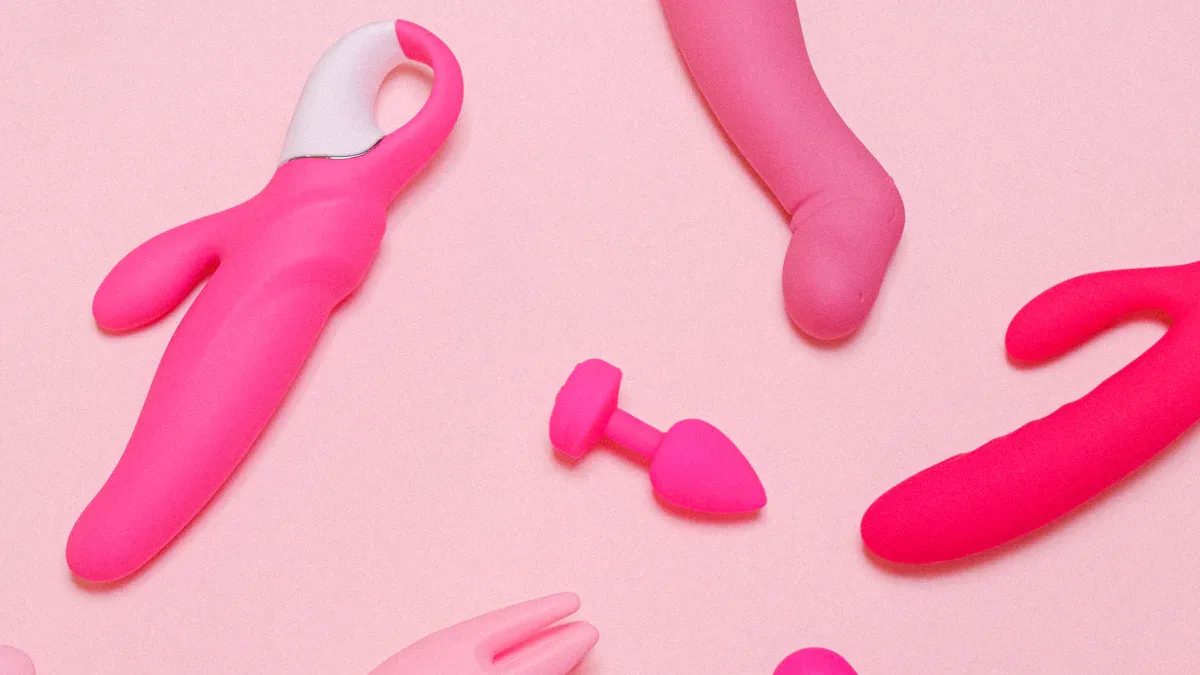
Vibrators & Suction Toys
Vibrators and suction toys can transform your partner’s pleasure experience. Vibrators deliver steady or pulsing sensations that stimulate the clitoris, labia, or other sensitive areas. Suction toys use gentle air pulses to mimic oral stimulation on the clitoris. Many people with vulvas find these toys help them reach orgasm more easily and reliably.
You can start by choosing a small, body-safe vibrator. Place it on the clitoris or glide it along the labia. Adjust the speed and intensity based on your partner’s feedback. Suction toys work best when you use plenty of water-based lubricant and let your partner guide the placement. In one case, a couple tried a suction toy for the first time. The partner with a vulva described the sensation as “intense but not overwhelming,” leading to a quick and satisfying orgasm.
Tip: Use a table to compare features before buying a toy. Look for body-safe materials, adjustable settings, and easy cleaning.
| Feature | Vibrators | Suction Toys |
|---|---|---|
| Sensation | Vibration | Air Pulses |
| Best For | Clitoral, Labial | Clitoral |
| Ease of Use | High | Moderate |
| Cleaning | Simple | Simple |
G-Spot & Dual-Stim Toys
G-spot toys have a curved shape that targets the sensitive area inside the vagina, known as the G-spot. Dual-stim toys combine internal and external stimulation, often called “rabbit” style toys. These can provide blended orgasms by stimulating the clitoris and G-spot at the same time.
To use a G-spot toy, apply water-based lubricant and insert it slowly. Curve the toy upward toward the belly button. Ask your partner if the pressure feels good. For dual-stim toys, make sure both parts are in contact with the right spots. One couple found that using a dual-stim toy together allowed them to experiment with different rhythms. The partner with a vulva reported stronger, longer-lasting orgasms when both areas received attention.
Note: Always clean toys before and after use. Choose non-porous materials like silicone, glass, or stainless steel for safety.
Introducing Toys to Your Partner
Introducing sex toys to your partner can feel exciting and a little nerve-wracking. Start with an open conversation about curiosity and pleasure. Ask your partner if they have ever wanted to try a toy or if they have any preferences. You can suggest starting with a small, simple vibrator or a suction toy.
Here are some steps to make the process smooth and enjoyable:
- Choose toys made from medical-grade silicone, glass, or stainless steel.
- Clean toys thoroughly before and after each use with mild soap and warm water.
- Use water-based lubricant for comfort and safety.
- If you share toys, use condoms to prevent infections.
- Store toys in a clean, dry place and inspect them regularly for damage.
A couple once decided to try a new toy together. They set aside time to read reviews, discuss what looked interesting, and shop online as a team. This approach made both partners feel involved and excited. When the toy arrived, they explored it together, checking in often about comfort and pleasure.
Tip: Avoid porous materials like rubber or PVC, as they can trap bacteria. Air dry toys completely after cleaning to prevent mold.
By following these steps, you create a safe, fun, and pleasurable experience for both you and your partner.
Toy Safety & Care
Keeping sex toys clean and safe protects your partner’s health and maximizes pleasure. You need to know how to clean, store, and inspect toys before and after every use. Proper care prevents infections and extends the life of your toys.
How to Clean Sex Toys
Start by checking the material of your toy. Most high-quality toys use silicone, glass, or stainless steel. These materials are non-porous and easy to clean. After each use, wash the toy with warm water and mild, unscented soap. Rinse thoroughly. For waterproof toys, you can submerge them. For non-waterproof toys, use a damp cloth and avoid getting water in battery compartments.
Tip: Let toys air dry completely before storing them. Moisture can lead to mold or bacteria growth.
Case Study:
A couple used a silicone vibrator and cleaned it with soap and water after every session. They noticed the toy stayed odor-free and safe for months. When they forgot to dry it once, a musty smell developed. They learned to always air dry the toy before putting it away.
Storage Best Practices
Store toys in a clean, dry place. Use a fabric pouch or a dedicated box to keep dust and lint away. Avoid storing toys together if they are made from different materials. Some materials can react and degrade when touching each other.
| Storage Method | Pros | Cons |
|---|---|---|
| Fabric pouch | Breathable, keeps dust out | Needs regular washing |
| Plastic container | Protects from moisture | Can trap odors if not dry |
| Drawer/box | Easy access | May collect dust/lint |
Inspecting and Maintaining Toys
Before each use, check toys for cracks, discoloration, or sticky residue. Damaged toys can harbor bacteria and should not be used. Replace toys that show signs of wear. If your toy uses batteries, remove them when not in use to prevent corrosion.
How to Share Toys Safely
If you share toys between partners or use them for both vaginal and anal play, always use a new condom over the toy each time. This prevents the spread of bacteria and infections.
Quick Checklist for Toy Safety
- ✅ Wash before and after every use
- ✅ Dry completely before storing
- ✅ Store in a clean, dry place
- ✅ Inspect for damage regularly
- ✅ Use condoms if sharing toys
Note: Following these steps helps you and your partner enjoy safe, worry-free pleasure every time.
Make Your Partner Orgasm: Techniques
Clitoral Stimulation Tips
You can make your partner experience intense pleasure by focusing on clitoral stimulation. The clitoris contains thousands of nerve endings, making it the most sensitive part of the vulva. Many people with vulvas reach orgasm most reliably through direct or indirect clitoral touch. You should start slow and build arousal gradually. Use your fingers, tongue, or a toy to explore different types of pressure and movement.
Here are some proven techniques you can try:
- Grind against a firm surface, such as a mattress, your thigh, or a toy, to create steady friction.
- Squeeze your partner’s legs together and roll your fingers or a toy against the head and hood of the clitoris.
- Slide a flat or wide vibrator back and forth over the entire vulva, not just the clitoris.
- Rub the vulva over a rolled-up towel or sheet to add extra pressure and stimulation.
- Encircle the shallow opening of the vagina with a toy to stimulate the internal erectile tissue connected to the clitoris.
Tip: Use plenty of water-based lubricant to reduce friction and increase comfort during any type of clitoral play.
A couple once tried grinding with a pillow while using a small vibrator on the clitoris. The partner with a vulva reported a more intense orgasm compared to penetration alone. This approach allowed them to experiment with pressure and movement until they found what worked best.
You can refer to the table below for a quick comparison of clitoral stimulation methods:
| Method | Sensation Type | Best For |
|---|---|---|
| Grinding | Steady friction | Building arousal |
| Squeezing legs | Focused pressure | Heightening sensitivity |
| Flat vibrator motion | Broad stimulation | Full vulva pleasure |
| Encircling entrance | Deep stimulation | Blended sensations |
G-Spot & Blended Stimulation
You can make your partner experience different types of orgasms by exploring G-spot and blended stimulation. The G-spot sits a few inches inside the vagina, on the front wall. Many people describe G-spot orgasms as deeper and more full-bodied than clitoral ones. To find the G-spot, insert a well-lubricated finger or curved toy and curl it upward toward the belly button. Use slow, circular motions and check in with your partner about the pressure.
Try these steps for effective G-spot and blended stimulation:
- Swirl your finger or toy around the vaginal opening in a gentle, circular motion.
- Alternate between shallow, slow thrusts and deeper, firmer movements.
- Encourage your partner to squeeze and release their pelvic floor muscles during penetration.
- Combine vaginal stimulation with external clitoral touch using your fingers or a small vibrator.
Note: Combining internal and external stimulation often leads to blended orgasms, which many describe as more intense and satisfying.
A couple once experimented with alternating between G-spot stimulation and clitoral vibration. The partner with a vulva reported stronger, longer-lasting orgasms when both areas received attention. This method also helped them communicate more openly about what felt best.
You can see from research that clitoral stimulation during intercourse increases orgasm frequency from about 21–30% to 51–60%. This shows the importance of combining techniques rather than relying on penetration alone.
Combining Toys with Hands or Mouth
You can make your partner’s experience even more pleasurable by combining toys with manual or oral stimulation. Using multiple types of touch prevents the body from adapting to one sensation, which keeps sensitivity high and orgasms more intense. Many couples find that using a vibrator on the clitoris while stimulating the G-spot with fingers or a toy leads to more reliable orgasms.
Here are some ways to combine stimulation:
- Use a vibrator on the clitoris while your mouth or fingers stimulate the labia or G-spot.
- Alternate between oral sex and toy use to keep sensations fresh and exciting.
- Try using your hands to gently squeeze the thighs or hips while a toy provides focused stimulation.
Tip: Communicate with your partner throughout. Ask if they want more or less pressure, or if they want to switch techniques.
One couple found that using a suction toy on the clitoris while the partner used their mouth on the inner thighs created a new level of pleasure. The partner with a vulva reached orgasm more quickly and described the experience as “completely different” from previous sessions.
Studies show that combining clitoral stimulation with toys, hands, or mouth increases both orgasm frequency and intensity. Lesbian couples, who often use a variety of techniques, report orgasm consistency rates of 80–90%. This highlights the value of creativity and communication in making your partner orgasm reliably.
Case Study:
A couple wanted to make your partner orgasm more consistently. They started using a vibrator during oral sex and checked in about what felt best. Over time, they noticed orgasms became more frequent and satisfying. This approach also helped them feel more connected and confident in their sexual relationship.
By integrating these techniques, you can make your partner feel seen, heard, and deeply satisfied. Remember to stay patient, communicate openly, and focus on pleasure rather than performance.
Stimulating During Penetration
You can increase your partner’s pleasure during penetration by adding external stimulation. Many people with vulvas do not reach orgasm from penetration alone. You can use your hand, a small vibrator, or your mouth on the clitoris while penetration happens. This combination often leads to stronger, more reliable orgasms.
Try these steps to make your partner feel more pleasure during penetration:
- Place a small vibrator on the clitoris while you use your fingers or a toy for penetration.
- Use your thumb to gently rub the clitoral hood in slow circles during thrusting.
- Pause penetration to focus on external stimulation, then resume when your partner feels ready.
- Try positions that give you easy access to the clitoris, such as missionary with legs apart or from behind with your hand reaching around.
Tip: Use plenty of water-based lubricant to keep things comfortable and smooth.
A couple once struggled to achieve orgasm through penetration alone. They decided to add a small vibrator during sex. The partner with a vulva reported more intense sensations and reached orgasm more often. This approach helped them feel closer and more confident in their intimacy.
You can refer to the table below for a quick comparison of positions and their benefits for clitoral access:
| Position | Clitoral Access | Ease of External Stimulation | Partner Feedback |
|---|---|---|---|
| Missionary | High | Easy | Most report comfort and intimacy |
| Cowgirl | Moderate | Partner can use hands | Allows control over angle and pressure |
| Doggy Style | Low | Needs hand reach-around | Some enjoy deeper penetration |
| Side-lying | High | Both partners can use hands | Good for slower, more sensual play |
You can make your partner feel more in control by letting them guide the pace and angle. Encourage them to communicate what feels best. This teamwork can help you both discover new ways to enjoy sex.
Case Study:
A couple wanted to make your partner orgasm more reliably. They tried the side-lying position with a vibrator on the clitoris. The partner with a vulva felt more relaxed and reached orgasm without rushing. This method became their favorite way to connect.
Buttocks & Other Erogenous Zones
You can enhance your partner’s pleasure by exploring the buttocks and other erogenous zones. The body has many sensitive areas beyond the genitals. You can use your hands, mouth, or a soft toy to stimulate these spots. This approach builds arousal and makes the experience more exciting.
Common erogenous zones include:
- Buttocks
- Inner thighs
- Lower back
- Neck and ears
- Breasts and nipples
You can start by gently massaging or kissing the buttocks. Light spanking or squeezing can add a playful element if your partner enjoys it. Many people find that stimulation of the inner thighs or lower back increases anticipation and pleasure.
Note: Always check in with your partner before trying new types of touch. Consent and comfort matter most.
A couple once wanted to make your partner feel more aroused before focusing on the genitals. They spent extra time kissing and massaging the lower back and buttocks. The partner with a vulva reported feeling more relaxed and excited, which led to a stronger orgasm later.
You can use the table below to explore different erogenous zones and suggested techniques:
| Erogenous Zone | Suggested Technique | Sensation Type | Partner Response |
|---|---|---|---|
| Buttocks | Massage, light spanking | Deep, firm, playful | Builds anticipation |
| Inner thighs | Kissing, gentle stroking | Soft, teasing | Heightens arousal |
| Neck/Ears | Nibbling, whispering | Tingling, intimate | Increases intimacy |
| Breasts/Nipples | Licking, gentle pinching | Sensitive, erotic | Can trigger orgasmic waves |
You can make your partner feel cherished by paying attention to these areas. This focus on the whole body, not just the genitals, helps build gradual arousal. You may find that orgasms become easier and more satisfying when you include these zones in your routine.
Case Study:
A couple wanted to make your partner’s pleasure last longer. They explored the neck, ears, and inner thighs before moving to the genitals. The partner with a vulva described the experience as “more intense and full-bodied” than usual.
You can use these techniques to make your partner feel valued and excited. Remember, every body is different. Stay curious and keep experimenting to find what works best for both of you.
Foreplay & Building Arousal

Importance of Foreplay
Foreplay sets the stage for a satisfying sexual experience. You can use it to build trust, increase arousal, and help your partner feel relaxed. Many people with vulvas need time to become fully aroused before moving to more direct stimulation. When you focus on foreplay, you allow your partner’s body to respond naturally, which often leads to more intense orgasms.
A couple once noticed that rushing into penetration left one partner feeling unsatisfied. They decided to spend at least 15 minutes on kissing, touching, and exploring each other’s bodies. Over time, both partners reported stronger connections and more frequent orgasms. This approach shows that patience and attention during foreplay can transform your sexual experiences.
Tip: Treat foreplay as an essential part of intimacy, not just a warm-up.
Using Lube for Comfort
Lubricant can make every touch smoother and more pleasurable. You should choose the right type to match your needs. Water-based lubricants are safe for all activities and easy to clean. Silicone-based lubricants last longer and work well with latex condoms. Avoid natural oil-based lubricants, as they can cause irritation and increase infection risk.
| Lubricant Type | Recommendation |
|---|---|
| Water-based | Free of harmful ingredients, recommended for comfort and safety. |
| Silicone-based | Safe and effective, especially with latex condoms or for those with irritation. |
| Oil-based | Can irritate genital tissue and disrupt healthy bacteria. Linked to infections. |
Lubricants improve sexual pleasure and reduce pain during any activity. The World Health Organization highlights their role in promoting sexual health. You may find that using lube helps your partner relax and enjoy longer sessions. In one case, a couple who struggled with dryness tried water-based lubricant. They found that touch felt more comfortable, and arousal built more quickly.
Note: Always apply lube before starting any genital or toy play. Reapply as needed to keep things smooth.
Sensual Touch & Non-Genital Play
You can build arousal by exploring your partner’s whole body, not just the genitals. Many erogenous zones respond to gentle touch, kisses, or massage. Try focusing on these areas:
- Neck: Light kisses or strokes can send tingles through the body.
- Inner thighs: Soft touches here heighten anticipation.
- Bottom of feet and toes: Massaging these spots increases blood flow and sensitivity.
- Pubic mound: Gentle massage can indirectly stimulate the labia and clitoris.
A couple once spent time massaging each other’s neck and inner thighs before moving to genital touch. The partner with a vulva described feeling more relaxed and excited, which led to a stronger orgasm later. This method shows that non-genital play can make the main event even more satisfying.
Try This: Use a slow, teasing touch on the inner thighs or neck. Watch how your partner’s body responds and ask what feels best.
You can use these techniques to create a sense of anticipation and connection. Sensual touch helps your partner feel valued and desired, making orgasms more likely and more intense.
Best Positions for Clitoral Access
You can make clitoral stimulation easier and more enjoyable by choosing positions that give you direct access. Many people with vulvas find that certain positions help them reach orgasm more reliably. You should try different options to see what works best for you and your partner.
Here is a table that compares popular positions for clitoral access:
| Position Name | Clitoral Access | Hands-Free? | Partner Control | Comfort Level |
|---|---|---|---|---|
| Missionary (legs apart) | Excellent | No | Shared | High |
| Cowgirl (on top) | Good | Yes | High | High |
| Side-lying (spooning) | Very Good | No | Shared | Very High |
| Seated (face-to-face) | Good | Yes | Shared | Moderate |
| Doggy with reach-around | Moderate | No | Shared | Moderate |
You can use this table to guide your choices. For example, missionary with legs apart lets you or your partner use hands or a toy on the clitoris during penetration. In a case study, one couple tried this position with a small vibrator. The partner with a vulva reported stronger orgasms and felt more connected.
Cowgirl, where you sit on top, gives you control over angle and rhythm. You can grind your pelvis against your partner or a toy. In another case, a couple experimented with this position and found that the partner with a vulva could adjust pressure and speed, leading to more frequent orgasms.
Side-lying, or spooning, allows both partners to use their hands easily. You can reach down and stimulate the clitoris while staying close. Many couples say this position feels intimate and relaxing. One couple used this method with a suction toy and noticed that the partner with a vulva felt less pressure to perform and enjoyed the experience more.
Tip: Try placing a pillow under the hips to raise the pelvis. This small change can make clitoral access even easier.
Seated positions, like sitting face-to-face, let you maintain eye contact and use your hands freely. You can hold your partner close and stimulate the clitoris with your fingers or a toy. Some couples find this position works well for slow, sensual sessions.
You should talk with your partner about which positions feel best. Ask questions like, “Can you reach your clitoris easily?” or “Would you like to try a pillow for support?” Adjust as needed based on comfort and pleasure.
Note: Every body is different. What works for one couple may not work for another. Stay curious and keep experimenting until you find your favorites.
By focusing on positions that give you easy clitoral access, you increase the chances of reliable, satisfying orgasms. You also create more opportunities for shared pleasure and connection.
Troubleshooting & Tips
Reducing Performance Pressure
You may feel pressure to help your partner orgasm every time. Many people experience anxiety during sex because of body image concerns, fear of inadequacy, past negative experiences, relationship issues, or general stress. You can reduce this pressure by focusing on pleasure and connection rather than performance.
- Practice mindfulness or meditation before intimacy. This helps you stay present and enjoy physical sensations.
- Try sensate focus exercises. These encourage you and your partner to explore touch without the goal of orgasm.
- Use box breathing to calm nerves. Inhale for four seconds, hold for four, exhale for four, and repeat.
- Communicate openly about worries. Sharing your feelings can build trust and reduce anxiety.
A couple once struggled with performance anxiety after a stressful week. They decided to spend time cuddling and practicing deep breathing before sex. This helped both partners relax and enjoy the experience without pressure.
When Orgasms Don’t Happen
Sometimes, orgasms do not occur even when you try your best. At least 5 to 10 percent of people with vulvas experience difficulty achieving orgasm. In some groups, this number can reach 26 percent. You can troubleshoot by following these steps:
- Consult a medical doctor or OB-GYN to rule out health issues.
- Visit a pelvic floor therapist to check muscle function.
- Seek a trauma-informed sex therapist if you have sexual hang-ups.
For example, one person found that pelvic pain made orgasm difficult. After seeing a pelvic floor therapist, they learned exercises to relax their muscles. This improved their comfort and pleasure over time.
Adjusting Techniques
If your usual strategies do not work, you can adjust your approach using evidence-based methods. The table below shows techniques you can try:
| Technique | Description |
|---|---|
| Address Underlying Conditions | Treat hormonal imbalances, adjust medications, and manage psychiatric issues. |
| Psychotherapy and Sex Therapy | Use mindfulness and cognitive-behavioral therapy to explore psychological factors. |
| Emerging Therapies | Consider new treatments like neuromodulation or psychedelic-assisted therapy. |
| Pharmacological Strategies | Ask your doctor about medications that may enhance orgasmic pleasure. |
A couple once noticed that changing medications affected sexual pleasure. They spoke with their doctor, who adjusted the prescription. This led to improved arousal and satisfaction.
Remember: You can always experiment with new techniques and seek professional support. Every body responds differently, so patience and curiosity help you find what works best.
Addressing Emotional Barriers
You may find that emotional barriers can make orgasms difficult or even impossible. These barriers often include stress, anxiety, past trauma, low self-esteem, or relationship issues. You can take practical steps to address these challenges and improve your sexual experiences.
Common Emotional Barriers and How to Address Them
| Emotional Barrier | How It Affects You | What You Can Do |
|---|---|---|
| Stress | Distracts your mind, lowers arousal | Practice relaxation before intimacy |
| Anxiety | Causes tension, blocks pleasure | Use deep breathing and grounding |
| Past Trauma | Triggers fear or discomfort | Seek support from a trauma-informed therapist |
| Low Self-Esteem | Reduces confidence, increases self-consciousness | Focus on positive self-talk and body appreciation |
| Relationship Conflict | Creates distance, lowers trust | Communicate openly and resolve issues |
Tip: You can keep a journal to track your feelings and triggers. This helps you notice patterns and make changes.
Case Study 1:
You may feel anxious about your body during sex. One person noticed they avoided intimacy because of negative thoughts about their appearance. They started practicing positive affirmations and wore clothing that made them feel good. Over time, they felt more confident and enjoyed sex more.
Case Study 2:
You may have experienced a stressful week at work. One couple decided to set aside 10 minutes for deep breathing together before intimacy. This simple practice helped both partners relax and focus on pleasure instead of worries.
How-To Steps for Overcoming Emotional Barriers
- Identify what emotions or thoughts come up during intimacy.
- Talk with your partner about your feelings in a calm, safe space.
- Try relaxation techniques like deep breathing, meditation, or gentle massage.
- Set boundaries and communicate what feels comfortable for you.
- Seek professional help if you notice trauma or ongoing distress.
Case Study 3:
You may have a history of sexual trauma. One person worked with a trauma-informed therapist and learned grounding techniques. They shared their boundaries with their partner and used a safe word during intimacy. This approach helped them feel more in control and open to pleasure.
Note: You do not need to solve everything at once. Small steps can lead to big changes over time.
Statistics on Emotional Barriers
Research shows that up to 30% of people with vulvas report that stress or emotional issues affect their ability to orgasm. You are not alone if you face these challenges.
You can address emotional barriers by staying patient, communicating openly, and seeking support when needed. This process helps you build trust with your partner and enjoy more satisfying sexual experiences.
Explore & Connect
Experimenting with New Ideas
You can keep your sexual relationship exciting by trying new ideas together. Exploring new sensations, positions, or fantasies helps you and your partner discover what brings the most pleasure. Studies show that couples who experiment regularly report higher sexual satisfaction and stronger relationships. You can see the benefits of ongoing exploration in the table below:
| Benefit | Explanation |
|---|---|
| Enhanced sexual satisfaction | Trying new things can boost both sexual and relationship satisfaction. |
| Safe exploration of identities and fantasies | A secure relationship lets you explore different identities, behaviors, and fantasies safely. |
| Positive mental health outcomes | Sexual exploration supports better mental health and physical well-being. |
| Improved sexual communication | Sharing fantasies and new behaviors improves communication. |
| Supportive relationship dynamics | A supportive environment encourages open-mindedness and trust. |
For example, you might set aside a night each month to try a new toy or technique. One couple created a “pleasure jar” filled with ideas they wanted to explore. Each week, they picked one and discussed how it felt. This approach helped them feel more connected and confident in their intimacy.
Tip: Start with small changes, like a new position or a different type of touch. Check in with your partner about what feels good.
Keeping Communication Open
You can build trust and intimacy by talking openly about your desires and boundaries. Regular communication about sexual needs helps you and your partner feel heard and respected. Research shows that couples who talk about sex experience more mutual pleasure and satisfaction. Open dialogue also reduces anxiety and strengthens emotional bonds.
- Communication and listening help you respond to each other’s needs.
- Open sexual conversations empower you and your partner.
- Discussing desires reveals new aspects of your identities.
A practical example involves a couple who set aside time after intimacy to share what they enjoyed and what they wanted to try next. This habit made both partners feel valued and led to more satisfying experiences. You can use simple questions like, “What did you like most?” or “Is there something new you want to try?” to keep the conversation going.
Note: Listening is as important as speaking. Make space for your partner’s thoughts and feelings.
Prioritizing Mutual Pleasure
You can create a more fulfilling sexual relationship by focusing on mutual pleasure. Many people with vulvas report that they often prioritize their partner’s pleasure, which can reduce their own satisfaction. When you both value each other’s enjoyment, you build emotional intimacy and trust. Partners who show generosity and concern for each other’s pleasure often experience better orgasms and deeper connection.
- Emotional intimacy and partner competence increase sexual pleasure.
- Generosity and mutual concern improve orgasm quality.
- Many women find pleasure in giving their partner an orgasm, but mutual pleasure enhances the experience for both.
One couple decided to check in during sex to make sure both partners felt satisfied. They took turns focusing on each other’s pleasure and shared what felt best. Over time, both partners felt more confident and enjoyed sex more. You can try taking breaks to ask, “How does this feel for you?” or “Would you like to switch things up?” This approach ensures that both of you feel seen and satisfied.
Try This: Make mutual pleasure your goal, not just orgasm. Celebrate every step that brings you closer together.
You can build a satisfying sex life by staying curious, communicating openly, and focusing on pleasure for both you and your partner. Research shows that every body responds differently, so patience and curiosity help you discover what works best. Couples who experiment and talk about their desires report higher satisfaction and deeper connection.
| Study Focus | Findings |
|---|---|
| Sexual Communication | Linked to higher satisfaction and lower discomfort |
| Mindfulness-based Approaches | Improve desire and arousal |
| Sex Therapy | Boosts communication and pleasure |
A sex-positive, open-minded approach brings lasting benefits:
- Enhances intimacy and trust
- Encourages honest conversations
- Fosters playful exploration
You can embrace sexual exploration as a journey. When you focus on mutual pleasure and connection, you create a stronger, more joyful relationship.
FAQ
What if my partner feels nervous about using sex toys?
You can start with a simple conversation. Ask about their feelings and preferences. Suggest exploring a small, non-intimidating toy together. Many couples find that trying new things slowly helps build comfort and trust.
How do I know which sex toy is safe to use?
Choose toys made from non-porous materials like silicone, glass, or stainless steel. Always check for body-safe labels. Clean toys before and after use. A table comparing materials can help you decide:
| Material | Safety Level | Cleaning Ease |
|---|---|---|
| Silicone | High | Easy |
| Glass | High | Easy |
| Stainless Steel | High | Easy |
Can my partner orgasm from penetration alone?
Most people with vulvas need clitoral stimulation to reach orgasm. Only about 18% report orgasming from penetration alone. You can combine penetration with external stimulation for better results.
What should I do if my partner does not orgasm every time?
Focus on pleasure and connection, not just orgasm. Many factors affect orgasm, including stress and comfort. You can try different techniques, communicate openly, and celebrate all forms of pleasure.
Is it normal to use lube with sex toys?
Yes, using lube is common and recommended. Lube reduces friction and increases comfort. Water-based lube works well with most toys. Many couples report better experiences when they use enough lubricant.
How can I make sure we both feel comfortable giving feedback?
Set a relaxed mood. Use positive language like, “I love when you do this.” Encourage your partner to share their thoughts. Many couples find that regular check-ins help build trust and improve intimacy.
Are there any health risks with sharing sex toys?
Sharing toys can spread bacteria or infections. Always use a new condom on shared toys and clean them thoroughly. Many health experts recommend not sharing toys unless you follow strict hygiene steps.
What if my partner wants to try something new, but I feel unsure?
Talk openly about your feelings. Set boundaries and agree on a safe word. You can try new things slowly. Many couples find that honest conversations help both partners feel respected and excited to explore.