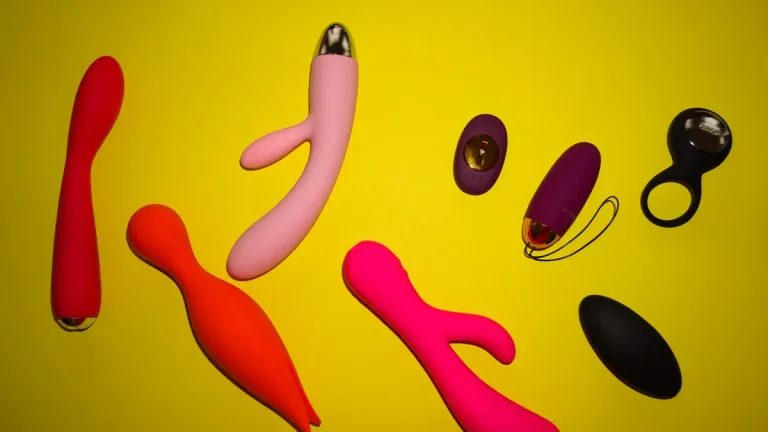


You’ve made the investment. You’ve found the perfect adult toy soft silicone best companion that brings you immense pleasure and satisfaction. Now, how do you ensure this trusted partner stays in pristine condition for years to come? Just like a high-quality kitchen knife or a delicate piece of clothing, your adult toys require proper care to maintain their safety, functionality, and appearance.
Think of toy maintenance not as a chore, but as an act of self-respect and an extension of your intimate wellness routine. Proper cleaning and storage are the unsung heroes of the pleasure product world. They are what separate a short-lived novelty from a long-term investment in your well-being. This definitive guide will walk you through everything you need to know—from daily cleaning routines to long-term storage solutions and troubleshooting—so you can enjoy your toys with absolute confidence and peace of mind.
Chapter 1: The “Why” – More Than Just Cleanliness
It’s tempting to just give your toy a quick rinse and call it a day, but understanding the stakes will motivate you to do it right every single time.
- Preventing Infections: This is the number one reason. Your body’s intimate areas have a delicate pH balance and bacterial flora. Introducing a toy that hasn’t been properly cleaned can introduce harmful bacteria or yeast, leading to infections like Bacterial Vaginosis or Urinary Tract Infections (UTIs). Proper cleaning is your first line of defense.
- Preserving Material Integrity: Using the wrong cleaner can break down the materials of your toy. For example, using a silicone-based lube on a silicone toy can cause a chemical reaction that makes the surface degrade, becoming sticky and tacky. Proper care prevents this damage.
- Extending Toy Lifespan: A well-maintained toy can last for a decade or more. Water damage from improper cleaning is a leading cause of electronic toy failure. Keeping your toys dry and stored properly ensures their motors keep humming and their surfaces stay smooth.
Chapter 2: The Cleaning Bible – A Material-by-Material Guide
There is no one-size-fits-all cleaning method. The protocol depends entirely on your toy’s material. When in doubt, refer to the manufacturer’s instructions, but here are the general rules.
For Non-Porous Materials (The Gold Standard):
These materials are the easiest to clean and sterilize because their surfaces have no pores for bacteria to hide in. This category includes soft silicone adult toys, glass, stainless steel, and ABS plastic.
- Step 1: Post-Use Wash. Immediately after use, wash the toy with warm (not scalding) water and a mild, unscented, antibacterial soap. Avoid soaps with moisturizers, oils, or heavy fragrances, as these can leave a residue.
- Step 2: Scrub Gently. Use your hands or a dedicated, soft-bristled brush to clean every crevice, especially around textured areas or where motors are sealed.
- Step 3: Dry Thoroughly. Pat the toy dry with a clean, lint-free cloth. Air-drying is also fine, but ensure it is completely dry before storage.
- Sterilization (The Deep Clean): For these materials, you can perform a periodic deep clean. You can boil soft silicone, glass, and stainless-steel toys for 3-5 minutes. Alternatively, wipe them down with a 10% bleach solution (rinse thoroughly afterward) or use a specialized toy cleaner spray.
For Porous Materials (Requiring Extra Caution):
This includes materials like TPE/TPR and jelly rubber. Important Note: We strongly recommend choosing non-porous materials for safety, but if you have a porous toy, here is how to care for it.
- Cleaning: Wash with toy cleaner or mild soap and water immediately before and after each use.
- The Limitation: You cannot sterilize a porous toy. Bacteria reside deep within the material, making it impossible to fully eradicate. This is why these toys have a much shorter lifespan.
- Best Practice: If you must use a porous toy, protect it by using a condom over it every single time. This provides a hygienic barrier.
Chapter 3: The Art of Storage – Protecting Your Investment
How you store your toys is just as critical as how you clean them. Poor storage can lead to material damage, dust accumulation, and battery drain.
- The Enemies of Your Toys: The main culprits are heat, direct sunlight, dust, lint, and pressure from other objects.
- The Ideal Solution: Store each toy individually in its own breathable container. A cotton drawstring bag, the original box, or a dedicated compartment in an organizer is perfect.
- The Silicone Sticky Situation: A unique property of platinum silicone is that it can “stick” to itself and other silicone toys when stored in direct contact. This doesn’t damage the material but can create a suction effect and, over time, might cause slight surface changes. Always store them separately.
- Battery Care: For electronic toys, always remove batteries before long-term storage to prevent corrosion. For rechargeable toys, it’s often recommended to store them with a partial, not full, charge.
Organizing your collection properly is easy with the right tools. Discover our selection of discreet and hygienic storage solutions designed to keep your treasures safe.
Data at a Glance: Your Toy Care Cheat Sheet
| Material | Cleaning | Can it be Sterilized? | Storage Tip | Lube Compatibility |
|---|---|---|---|---|
| Silicone | Soap & Water / Toy Cleaner | Yes (Boil, Bleach Wipe) | Store Separately | Water-Based or Hybrid |
| Glass | Soap & Water / Toy Cleaner | Yes (Boil) | Wrap in soft cloth | Any |
| Stainless Steel | Soap & Water / Toy Cleaner | Yes (Boil) | Any dry place | Any |
| ABS Plastic | Soap & Water / Toy Cleaner | Yes (Wipe with Bleach) | Any dry place | Any |
| TPE/TPR | Soap & Water / Toy Cleaner | No (Porous) | Let air dry fully | Water-Based |
Chapter 4: Troubleshooting Common Issues
Even with the best care, issues can arise. Here’s how to handle them.
- My silicone toy feels sticky or tacky. This can happen due to material degradation from the wrong lubricant or improper storage. Try a “re-birth” by coating the toy in a thin layer of cornstarch. This won’t fix chemical damage but can restore the surface feel.
- My toy won’t hold a charge. Rechargeable batteries have a finite lifespan. If it’s under warranty, contact the manufacturer. If not, it may be time to retire the toy.
- There’s a weird smell. For non-porous materials, a deep clean with boiling water or a bleach solution should eliminate odors. For porous materials, smells are often trapped within and signal it’s time to replace the toy. The FDA’s guidelines on medical device materials indirectly highlight why non-porous materials are safer, as they don’t retain contaminants.
Conclusion: Care as a Ritual of Self-Love
Cleaning and storing your toys isn’t just about maintenance; it’s a ritual that honors your commitment to your own pleasure and health. It’s the few minutes you take to ensure that every experience is as safe and satisfying as the first. By integrating these simple practices, you protect your well-being, extend the life of your collection, and deepen the trust you have with your own body. Your pleasure is worth protecting.
Frequently Asked Questions (FAQs)
Q1: Can I just use toy cleaner wipes instead of washing with soap and water?
A: Wipes are excellent for a quick clean on the go or before use, but they should not replace a full wash with soap and water after you’re finished. A thorough wash is necessary to remove all bodily fluids and lubricants effectively.
Q2: Is it safe to clean my waterproof toy in the dishwasher?
A: It can be, but with major caveats. Only use the top rack, and do not use dishwasher detergent, as it is too harsh. Run the cycle without any other dishes. However, the high heat and powerful jets may still damage the toy over time. Handwashing is generally the safer and recommended method.
Q3: How often should I replace my adult toy?
A: There’s no fixed expiration date. Replace a toy if: it shows visible signs of damage (tears, cracks), it no longer holds a charge, it cannot be thoroughly cleaned, or it develops a permanent odor. For porous toys, a good rule of thumb is to replace them every 6-12 months with frequent use.
Q4: Can I use rubbing alcohol to clean my toys?
A: It’s not recommended. While alcohol is a disinfectant, it can be too harsh for some materials, particularly certain plastics and silicone, and may prematurely dry them out or degrade the surface. Stick to mild soap and water or cleaners specifically formulated for intimate products, which you can find in our cleaning and care section.